
Why Does Dental Anxiety Stop People From Getting the Care They Need
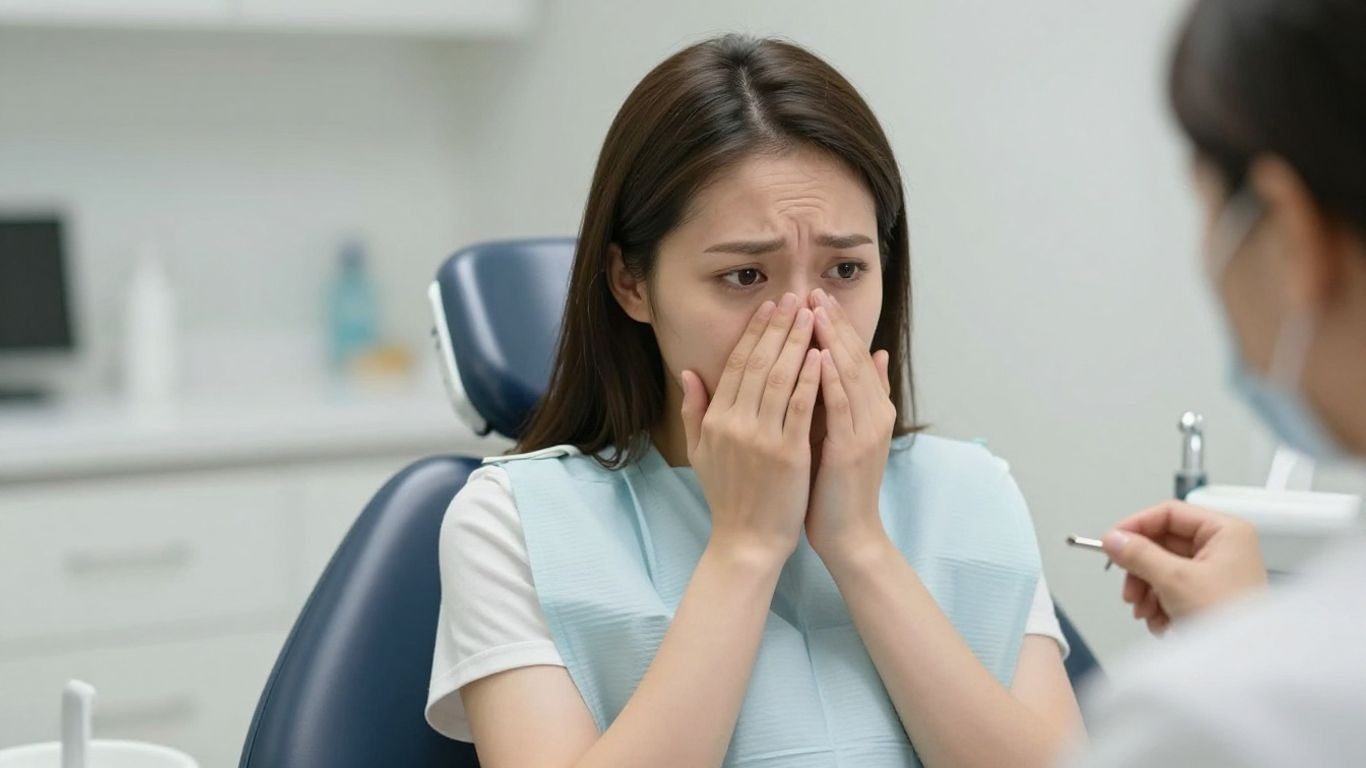
It's a real bummer, but dental anxiety is a major roadblock for so many people when it comes to getting the dental care they actually need. Think about it: if the mere thought of a dentist's office makes your palms sweat and your heart race, you're probably going to put off making that appointment, right? This avoidance is exactly why dental anxiety stops people from getting care. It creates this nasty cycle where avoiding the dentist makes your teeth and gums worse, which then makes the idea of going to the dentist even scarier because you know more work will be needed. It’s a tough spot to be in.
Understanding why dental anxiety stops people from getting care
So, why does this happen? It's not usually just about being a bit nervous. For a lot of folks, it goes deeper. Maybe there was a bad experience in the past, like a painful procedure or a dentist who didn't listen. Or perhaps it’s the feeling of being out of control when you’re in that chair, unable to move or talk easily. Some people just have a really low pain tolerance, and the anticipation of pain is enough to keep them away. Then there's the embarrassment factor – people who've avoided the dentist for years often feel ashamed about the state of their teeth, fearing judgment more than anything.
Here are some common reasons people skip dental visits:
- Past negative experiences: A painful or scary dental visit, especially as a child.
- Fear of pain: Worrying about discomfort during procedures.
- Feeling helpless: Disliking the lack of control in the dental chair.
- Embarrassment: Feeling ashamed about the condition of their teeth.
- Sensory triggers: Disliking the sounds, smells, or sensations associated with dental work.
The longer someone avoids the dentist, the more their oral health can decline. This often means that when they finally do seek care, the treatments needed are more extensive and potentially more uncomfortable, reinforcing the original fear. It’s a cycle that’s hard to break without some help.
It’s estimated that a significant chunk of adults, somewhere between 36% and 60%, deal with some level of dental anxiety. For about 12% of them, it’s severe enough to be called a phobia. That’s a huge number of people living with the consequences of not getting regular check-ups and necessary treatments, all because of fear.
Top Dental Anxiety Causes and Effects on Oral Health
How dental fear quietly damages your teeth and gums
It's easy to see how a bad experience at the dentist can stick with you. Maybe it was a painful procedure as a kid, or a dentist who didn't listen when you said something hurt. That kind of memory can really make you want to avoid going back. But dental anxiety isn't just about one bad memory. For many, it's a mix of things that build up.
Sometimes, it's the feeling of being out of control. You're lying back, can't talk, and there are tools in your mouth – it’s a vulnerable spot. Others worry a lot about pain, especially if they have a lower pain tolerance or didn't get enough numbing medicine before. Then there's the embarrassment factor. People avoid the dentist for years, their teeth get worse, and they feel ashamed, fearing judgment about the state of their mouth. Even the sounds and smells of a dental office can be a big trigger for some.
These dental phobia reasons and consequences create a cycle. When you skip dental appointments, even for a routine cleaning, small problems can turn into bigger ones. Cavities don't fix themselves, and gum disease can sneak up on you. This avoidance is how dental anxiety causes and effects on oral health become so serious. What might have been a simple filling can turn into a root canal or even tooth loss if left untreated for too long. It’s a tough situation, but understanding these roots of fear is the first step to getting the care you deserve.
Here are some common reasons people feel anxious about the dentist:
- Past Negative Experiences: A painful or upsetting dental visit, especially in childhood.
- Fear of Pain: Worrying about discomfort during procedures.
- Feeling Helpless: Discomfort with the lack of control in the dental chair.
- Embarrassment: Shame about the condition of their teeth or past neglect.
- Sensory Triggers: Sensitivity to the sounds, smells, or sensations of dental work.
The longer you put off dental visits due to fear, the more likely minor issues are to become major problems. This can lead to more complex and potentially more uncomfortable treatments down the line, which, in turn, can fuel the anxiety even further. It's a cycle that's hard to break without addressing the root causes of the fear.
Why People Avoid the Dentist: Anxiety Explained
So, why do people skip out on dental appointments, even when they know they probably shouldn't? It often boils down to anxiety, and it's a bigger deal than you might think. This isn't just about feeling a little nervous; for some, it's a full-blown fear that stops them in their tracks. Let's break down why people avoid the dentist and what's really going on with that anxiety.
Common triggers behind dental phobia and avoidance
Dental anxiety can stem from a bunch of different places. Sometimes, it's a bad experience from the past. Maybe a childhood visit was painful, or a dentist wasn't very understanding. That one negative event can stick with you for years.
Another big one is the feeling of losing control. You're lying back, can't really move, and someone's got tools in your mouth. For people who like to be in charge, this situation alone can be super stressful.
Then there's the fear of pain itself. Some folks just have a lower pain tolerance, or maybe they've had procedures where the numbing didn't quite work. The thought of that pain can be worse than the actual experience.
Embarrassment is also a huge factor, and it's often overlooked. If someone hasn't been to the dentist in a long time, they might be worried about what the dentist will think of their teeth. They might feel ashamed about the condition they're in, and that shame can keep them away even longer.
And let's not forget the sensory stuff. The whirring sound of the drill, the smell of the dental office, the feeling of instruments in your mouth – these things can be really overwhelming for some people, even if they aren't worried about pain.
Here are some common things that can trigger dental anxiety:
- A past negative dental experience.
- Fear of pain or needles.
- Feeling helpless or out of control.
- Embarrassment about the state of their teeth.
- The sounds and smells of the dental office.
It's easy to dismiss dental anxiety, but for millions, it's a very real barrier to getting necessary care. The fear isn't always logical, but it's powerful. Understanding these triggers is the first step to finding ways to manage them.
Dental Fear Impact on Oral Health Over Time
Warning signs your dental phobia is harming your health
When dental fear keeps you away from the dentist's chair, it's not just your nerves that suffer. Your mouth takes a serious hit too. Think of it like this: skipping regular check-ups is like ignoring a small leak in your roof. At first, it's no big deal, but over time, that little drip can cause major water damage. The same thing happens with your teeth and gums.
Ignoring your oral health because of fear can lead to a cascade of problems. What starts as a minor issue can quickly escalate into something much more serious and painful. Here are some common signs that your avoidance is taking a toll:
- Increased tooth sensitivity: Ever feel a twinge when you eat something cold or sweet? That could be early decay or gum recession peeking through.
- Bad breath that won't quit: Persistent bad breath, or halitosis, is often a sign of underlying gum disease or decay that's gone unchecked.
- Bleeding gums: If your gums bleed when you brush or floss, it's a pretty clear indicator of gingivitis, the early stage of gum disease.
- Visible cavities or tooth damage: You might start noticing actual holes in your teeth or chips that weren't there before.
- Pain or discomfort: This is usually a later sign, but persistent toothaches or jaw pain mean something is definitely wrong.
The longer you avoid the dentist, the more likely these issues are to develop and worsen.
Avoiding dental care due to fear creates a nasty cycle. The longer you stay away, the more your oral health deteriorates. This often means you'll need more extensive and potentially more uncomfortable treatments down the line, which, in turn, can make your fear even worse. It's a tough loop to break, but recognizing these signs is the first step toward getting the help you need.
| Stage of Neglect | What You Might Experience |
|---|---|
| Early | Sensitive teeth, occasional gum bleeding, mild bad breath |
| Moderate | Persistent bad breath, noticeable gum swelling, minor cavities |
| Advanced | Toothaches, loose teeth, significant decay, advanced gum disease |
It's easy to feel embarrassed about the state of your teeth if you've been avoiding the dentist. But remember, dentists see all sorts of mouths every day, and their main goal is to help you get healthy. Facing your fear, even with small steps, can prevent these problems from becoming much bigger and more painful later on.
How to Overcome Dental Phobia and Get the Care You Need
Okay, so you know dental anxiety is a real thing, and it's stopping you from getting your teeth checked. It's totally understandable, but the good news is, you don't have to live with it forever. There are definitely ways to tackle this fear and get back to taking care of your smile.
First off, finding the right dentist is a huge step. Think of it like finding a good mechanic or a hairdresser you trust. You want someone who listens, who doesn't make you feel rushed, and who actually explains what they're doing. Don't be afraid to call a few offices, ask about their approach to anxious patients, and maybe even schedule a quick meet-and-greet before you book an actual appointment. Reading online reviews can also give you a good sense of who might be a good fit.
Here are a few things that can help make dental visits less scary:
- Talk it out: Be super honest with your dentist and their team about your fears. Tell them what specifically makes you anxious – is it the sound of the drill? The feeling of being numb? The thought of pain? Knowing your triggers helps them help you.
- Start small: You don't have to jump straight into a root canal. Schedule a simple cleaning or a check-up first. Getting through a short, low-stakes appointment can build your confidence for bigger things later.
- Bring a buddy: If it helps, ask a friend or family member to come with you. Having someone there for moral support can make a big difference.
- Distraction techniques: Many offices offer headphones for music or even TVs on the ceiling. Some people find it helpful to bring their own earbuds and listen to a podcast or audiobook. Anything that takes your mind off what's happening can be a lifesaver.
Modern dentistry has come a long way, too. Many procedures are much less invasive and more comfortable than they used to be. Dentists often have newer technology that can make things quicker and smoother. Don't hesitate to ask about these advancements.
If your anxiety is really intense, to the point where you can't even make a phone call to schedule an appointment, it might be worth talking to a therapist or counselor. They can offer strategies and support to help you manage severe phobias, making it possible to get the dental care you need without overwhelming panic.
Some dentists even offer sedation options, from mild sedatives you take before your appointment to IV sedation for more complex procedures. This can help you relax or even sleep through your treatment. It's a great option for people whose anxiety is a major barrier.
So, What's the Takeaway?
Look, dental anxiety is a real thing, and it stops a lot of folks from getting the dental care they actually need. It’s not just about being a little nervous; for many, it’s a full-blown fear that can stem from bad past experiences, feeling out of control, or even just the sounds and smells of the office. The kicker is that avoiding the dentist usually makes things worse, leading to more complex and expensive treatments down the road. But here’s the good news: you don’t have to just live with it. Finding a dentist who really gets it, communicating your fears, and exploring options like sedation can make a huge difference. Taking that first step, even if it’s just a phone call, is the hardest part, but your smile and your health will thank you for it.
Frequently Asked Questions
What exactly is dental anxiety?
Dental anxiety is that feeling of worry, nervousness, or fear you get when you think about going to the dentist. For some, it's just a little unease, but for others, it can be a really strong fear, sometimes called dental phobia, that makes it hard to even make an appointment.
Why do people get scared of the dentist?
There are many reasons! Sometimes it's because of a bad experience in the past, like a painful procedure or a dentist who didn't listen. Other times, it's the feeling of not being in control, the fear of pain, or even feeling embarrassed about the condition of your teeth. The sounds and smells of the dentist's office can also be upsetting for some.
How does avoiding the dentist make things worse?
When you avoid the dentist, small problems can turn into bigger ones. This means you might need more complicated and uncomfortable treatments later on. Plus, the longer you stay away, the scarier the idea of going back becomes, creating a cycle that's hard to break.
What are some signs that dental anxiety is affecting my health?
You might notice you're restless or can't sleep before an appointment, feel sad or tearful, have a fast heartbeat, sweat a lot, or feel easily annoyed. Consistently canceling or missing appointments is also a big sign that your fear is getting in the way of necessary care.
What can I do to overcome my fear of the dentist?
The best thing is to find a dentist who understands and takes your anxiety seriously. Talk openly about your fears, start with simple treatments, and ask about modern, less uncomfortable options. Things like sedation dentistry or relaxation techniques can also be very helpful.
Are there treatments for really bad dental fear?
Yes, there are! For severe cases, you can work with dentists who are experts at helping anxious patients. Options include different types of sedation, like laughing gas or medication, and sometimes talking to a therapist can help address the root of the fear.
Blog Post Author

Contributed by DentalROI
DentalROI provides relevant dental content to help providers educate patients. The statements, services, and products referenced in this article have not been evaluated by the Food and Drug Administration, and they are not intended as a substitute for professional medical advice, diagnosis, or treatment. Always seek the advice of your dental provider with any questions or issues you may have. Specific recommendations may vary in different circumstances, so individual consultation is important.