Teeth Cleanings in Tampa, FL
Even if you brush and floss your teeth faithfully, it is important that you have your teeth professionally cleaned on a regular basis. (Of course, if you aren't quite so meticulous about your oral hygiene, it's even more important!) After a thorough cleaning, your teeth will feel smooth and squeaky-clean, and they will probably look a lot brighter too. But professional teeth cleanings aren't done for looks alone.
Why do your teeth need this kind of attention? Essentially, it's because over time they tend to build up a layer of plaque (a sticky, bacteria-rich film) and hard deposits (called tartar, or calculus) that are very difficult to remove without special tools. When these deposits are allowed to remain on the tooth surfaces or below the gum line, they provide ideal conditions for bacteria to grow and multiply. The acids produced by some bacteria cause tooth decay and gum disease; if left uncontrolled, this can lead to inflammation and infection of the gums, and possibly influence systemic (whole body) diseases.
Dentists have a special term for preventive procedures like tooth cleaning: prophylaxis, from the Greek word meaning to protect or guard against. In this case, the focus is on preventing tooth decay and gum disease. Performed in conjunction with a routine dental examination, a professional cleaning can go a long way toward controlling these two common maladies. While your teeth are being cleaned, it's also a good opportunity to take a close look at your oral health in general and check for a few specific problems.
The Professional Teeth Cleaning Procedure
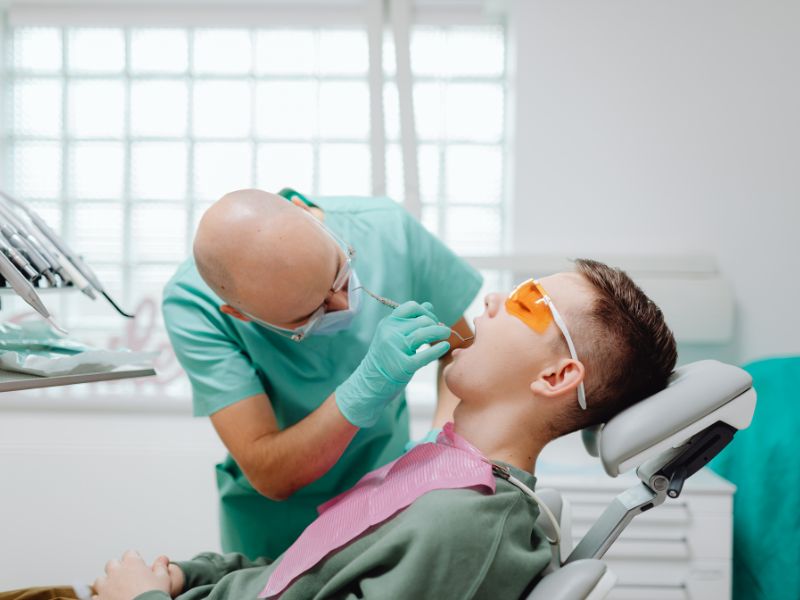
 Teeth cleaning is often performed by a dental hygienist — a highly trained technician who uses a special set of tools designed just for this purpose. Because everyone's teeth are a little different, your cleaning will be tailored to your particular needs. However, many cleanings follow a similar pattern.
First, the dental hygienist will do an oral examination to evaluate the health of your oral tissues. Then the cleaning will take place using either an ultrasonic scaler or metal instruments referred to as curettes to remove the plaque and calculus from the tooth surfaces. The ultrasonic scaler is a hand-held tool with a tiny tip that vibrates at a very high frequency. Hardened deposits are broken up by the rapid movement of the tip, which does not damage the tooth. A constant stream of liquid (called lavage) serves to cool the tip and aid in plaque removal; at the same time, it also washes away the debris.
Some hygienists prefer curettes, which are hand-held instruments that are curved and tapered to fit around and in between the teeth. If your teeth are sensitive, using hand-held instruments may be more comfortable for a professional cleaning. In the capable hands of a hygienist or dentist, it takes only moderate pressure to remove any stubborn buildup and scrub the teeth clean, regardless of which instruments are used.
Finally, your teeth are polished with a low-speed rotary brush fitted with a soft rubber tip. A slightly gritty, toothpaste-like gel is applied, and the tip spins around and polishes the teeth, making them smooth and shiny.
Most people don't feel any noticeable discomfort during dental cleanings; some even report they enjoy the experience — especially the dramatic results when it's done! If you haven't had a cleaning in a while, however, it may take you a few moments to get used to getting your teeth cleaned. If you experience any discomfort, however, it may be possible to apply a topical numbing gel or another type of anesthetic.
If your gums are irritated due to bacterial buildup, they may become sore or bleed slightly during the cleaning. It may be possible to prevent this from occuring in the future with oral hygiene measures you can perform at home (such as improved flossing techniques or special mouthrinses); it might also indicate that you need more frequent in-office cleanings. This type of regular maintenance will help you avoid more involved dental procedures down the road — and it will give you the best chance of keeping your teeth for life!
Routine Teeth Cleanings Tampa, FL

Have you ever wondered why your smile feels lighter, fresher, and healthier after a professional cleaning? Even with great brushing habits at home, plaque and tartar can settle into places you simply can’t reach. That’s why routine cleanings are one of the most important steps you can take to protect your oral health and keep your smile bright for years to come.
If you’re looking for teeth cleaning Tampa, our team at Sunshine Dentistry offers gentle, thorough care designed to keep your mouth healthy and your routine visits stress-free.
Why Teeth Cleanings Tampa Matter
A dental cleaning—also called a prophylaxis—is a preventive treatment that removes buildup you can’t eliminate on your own. This buildup, made of hardened plaque called tartar, can irritate your gums, increase your risk of cavities, and contribute to gum disease. When it’s removed professionally, your mouth gets the fresh start it needs.
You’ll also benefit from early detection. During every Tampa teeth cleaning, our dental team checks for signs of decay, gum inflammation, cracked fillings, and other changes that can be treated more easily—and less expensively—when caught early. Learn more about preventive dentistry if you’d like to explore how these routine visits protect your long-term health.
The Key Benefits of a Professional Teeth Cleaning Tampa
A Cleaner, Healthier Mouth
After a cleaning, most patients notice how much smoother their teeth feel. That smoothness makes it harder for new plaque to stick, helping you maintain better oral health between visits. Regular professional cleanings can also help reduce bad breath by removing bacteria that brushing alone won’t reach.
A Brighter, More Confident Smile
Teeth cleanings Tampa remove surface stains from common foods, tea, wine, and coffee. The polishing step can make your teeth appear naturally brighter, but it's not the same as whitening. You can always look into teeth whitening options for more thorough stain removal.
Protection Against Gum Disease
Gum disease often begins quietly. By removing plaque below the gumline and monitoring your gum health, cleanings help prevent the early stages of gum inflammation from progressing.
When Teeth Cleanings Tampa, FL May Not Be Enough
 Call Us At (813) 755-1281

 VISIT US