Why Are My Gums Bleeding When I Brush
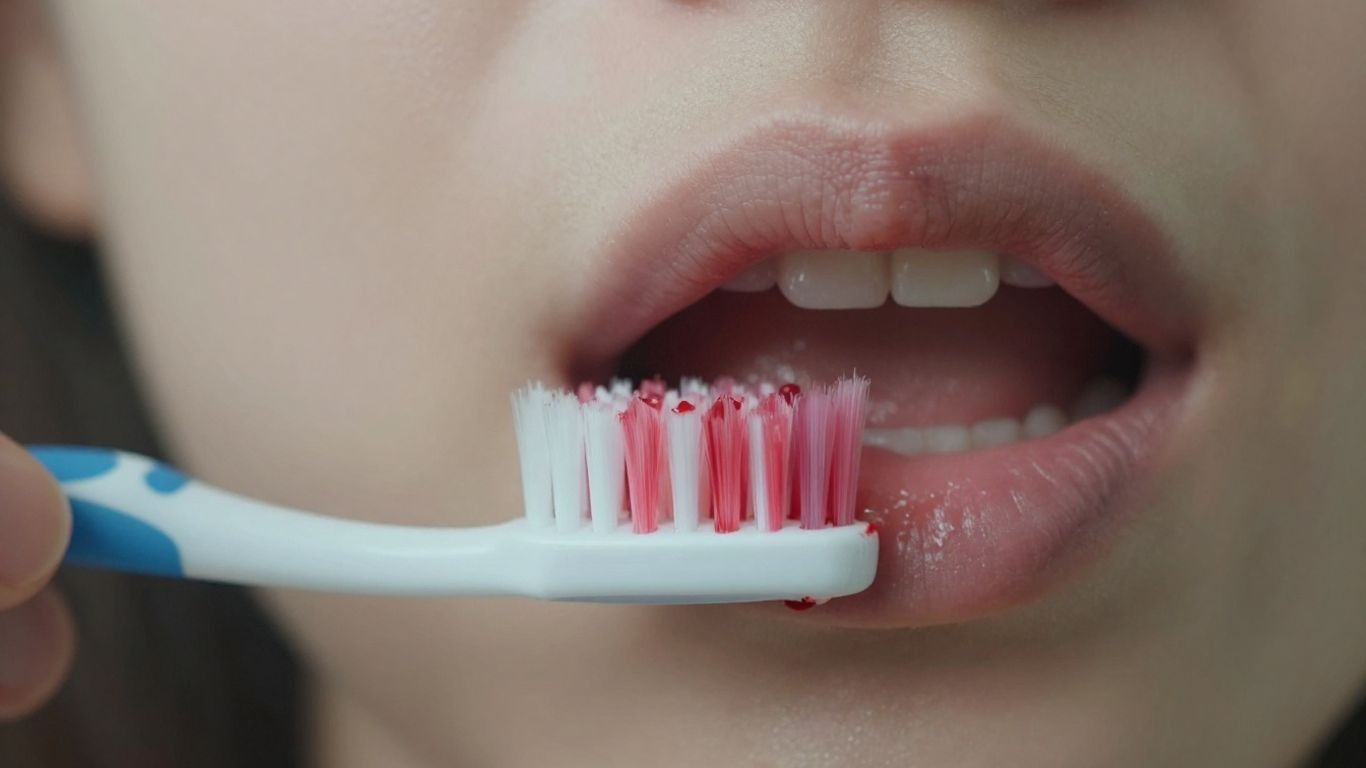
So, you're brushing your teeth, and suddenly you notice a bit of pink in the sink. Bleeding gums when you brush can be a bit startling, right? It’s easy to wonder if it’s normal or if something more serious is going on. It might just be that you're brushing a little too hard, or maybe your gums are reacting to a change in your routine. But sometimes, it can be a sign that your gums need a little extra attention. Let's figure out why this might be happening.
Helpful Things to Know
- Bleeding gums during brushing are often a sign of gingivitis, the early stage of gum disease, caused by plaque buildup.
- Brushing too hard or using a toothbrush with stiff bristles can irritate your gums and cause them to bleed.
- If you're new to flossing, some initial bleeding is normal, but it should stop within a week; persistent bleeding suggests a problem.
- Poor oral hygiene, certain medications, and health conditions like diabetes or pregnancy can also lead to bleeding gums.
- While occasional minor bleeding might be manageable at home, persistent, painful, or heavy bleeding, along with swollen or receding gums, warrants a dental visit.
Why Are My Gums Bleeding When I Brush?
Seeing a bit of pink in your toothbrush bristles or the sink after brushing can be a bit startling. You might be wondering, 'Why are my gums bleeding when I brush?' It's a common question, and while it can sometimes be nothing major, it's definitely something to pay attention to.
Is it normal for gums to bleed during brushing?
Honestly, no. Healthy gums shouldn't be bleeding just from regular brushing or flossing. If you're experiencing gums bleeding when brushing teeth, it's usually a sign that something isn't quite right. Think of it like a little alarm bell your body is ringing. It could be a sign of inflammation, like gingivitis, which is the early stage of gum disease. Sometimes, it's just that you're being a bit too rough, but other times, it points to a need to look closer at your oral hygiene routine or even your overall health.
- Gingivitis: This is the most frequent culprit. Plaque buildup irritates your gums, making them red, swollen, and prone to bleeding. The good news is, it's usually reversible with better care.
- Brushing too hard: Yep, you can actually scrub your gums raw. Using a toothbrush with bristles that are too firm or applying too much pressure can cause damage.
- Starting a new routine: If you've just started flossing regularly, your gums might bleed a little for the first week or so as they get used to it. This should stop on its own.
- Medications or health conditions: Certain medicines, like blood thinners, or health issues can make your gums more sensitive and bleed more easily.
It's easy to think a little blood isn't a big deal, especially if it stops quickly. But consistently seeing blood when you brush or floss is your mouth's way of telling you to investigate further. Ignoring it could let a small problem turn into a bigger one down the road.
Gums Bleeding When Brushing Teeth — Common Causes
Seeing red in the sink after brushing can be a bit of a shock, right? It’s easy to just brush it off (pun intended!), but your gums might be trying to tell you something. While sometimes it’s just a sign you’ve been a little too enthusiastic with your toothbrush, other times it points to something that needs a closer look.
Can brushing too hard cause gums to bleed?
Yep, this is a super common culprit. Think of your gums like delicate flowers – they don’t need a harsh scrub. If you’re using a toothbrush with stiff bristles or applying a lot of pressure, you can easily irritate your gum tissue. This irritation can lead to inflammation and, you guessed it, bleeding. It’s not about scrubbing harder to get cleaner; it’s about being gentle and thorough.
Here’s a quick rundown of why being too rough can cause issues:
- Irritation: Aggressive brushing directly irritates the sensitive gum lining.
- Gum Recession: Over time, constant hard brushing can actually cause your gums to pull away from your teeth, exposing the roots.
- Inflammation: The gums become red, swollen, and more prone to bleeding as a reaction to the rough treatment.
It’s important to remember that your mouth is a sensitive area. Treating it with a gentle touch, especially when it comes to your gums, is key to maintaining their health and preventing unnecessary bleeding.
Another common reason for bleeding gums, especially if you’re just starting to floss regularly or haven’t done it in a while, is simply that your gums aren’t used to it yet. They might be a bit sensitive and bleed for the first few days. This usually stops as your gums get stronger with consistent, gentle flossing. However, if the bleeding continues for more than a week or so, it’s a sign that something else might be going on, like plaque buildup or the early stages of gum disease.
Bleeding Gums Causes and Treatment You Should Know
So, your gums are bleeding when you brush. It can be a bit alarming, right? But before you panic, let's talk about what might be going on. Often, bleeding gums are a sign that something in your mouth needs a little extra attention, and it's usually not a super complicated fix.
When does bleeding gums signal a serious dental problem?
While occasional bleeding might just mean you need to adjust your brushing a bit, persistent or heavy bleeding could point to something more. Think of it like your body's way of sending up a flare. If your gums are bleeding every time you brush, or if they're also red, swollen, or feel really sore, it's definitely worth looking into.
Here are a few things that could be happening:
- Gingivitis: This is the early stage of gum disease. It happens when plaque builds up along your gum line, irritating your gums. They get inflamed, puffy, and tend to bleed easily. The good news is, gingivitis is usually reversible with better oral hygiene.
- Periodontitis: If gingivitis isn't treated, it can turn into periodontitis. This is a more serious form of gum disease that can damage the bone supporting your teeth. Signs include persistent bleeding, receding gums, bad breath, and even loose teeth.
- Aggressive Brushing: Yep, you can sometimes be too rough! Using a hard-bristled toothbrush or scrubbing too hard can irritate your delicate gum tissue and cause bleeding.
- Medications or Health Conditions: Certain medications, like blood thinners, can make you bleed more easily. Also, conditions like diabetes or vitamin deficiencies can sometimes affect your gums.
It's important to remember that your gums are sensitive. Bleeding isn't just a random occurrence; it's usually a signal that something needs attention. Ignoring it can lead to bigger problems down the road, like more advanced gum disease or even tooth loss.
If you're noticing bleeding gums regularly, it's a good idea to schedule a visit with your dentist. They can figure out exactly what's causing the bleeding and recommend the best treatment plan for you. This might involve a professional cleaning, some tips on improving your home care routine, or addressing any underlying health issues.
How to Stop Gums From Bleeding at Home
So, your gums are bleeding when you brush. It's a common issue, and thankfully, there are several things you can do right at home to help get them back in shape. The key is consistent, gentle care.
Which toothbrush and technique is best for sensitive gums?
When your gums are feeling a bit sensitive and prone to bleeding, the right tools and approach make a big difference. Forget those stiff-bristled brushes; they can do more harm than good. You'll want to reach for a toothbrush with soft bristles. Seriously, this is non-negotiable. Think of it like using a soft cloth to clean a delicate surface – you wouldn't scrub it hard, right?
As for technique, it's all about being gentle. Instead of sawing back and forth aggressively, try using small, circular motions. Angle the brush slightly towards your gum line, about 45 degrees. This helps to clean along the gum line effectively without irritating it. Spend a good two minutes on this, making sure you cover all surfaces of your teeth. It might feel like you're not cleaning as deeply, but trust me, this gentle approach is what your gums need to heal and stop bleeding.
Here’s a quick rundown on choosing and using your toothbrush:
- Bristle Type: Always opt for "soft" or "extra soft."
- Head Size: A smaller head can reach tricky spots more easily.
- Technique: Gentle, circular motions focusing on the gum line.
- Pressure: Imagine you're polishing, not scrubbing.
Sometimes, just switching to a soft-bristled brush and being a little gentler can make a world of difference. It's not about brute force; it's about careful cleaning.
If you're just starting to floss regularly, you might notice some bleeding for the first week or so. This is often normal as your gums get used to the new routine. However, if the bleeding continues beyond that, or if you're experiencing significant bleeding, it's a sign to check in with your dentist.
When to See a Dentist for Bleeding Gums
Okay, so your gums are bleeding. Sometimes it’s just a little pink in the sink after brushing, and maybe it stops pretty quickly. That might be nothing to freak out about, especially if you’re just starting to floss or maybe brushed a bit too hard. But other times, bleeding gums are your mouth’s way of shouting for help, and you really shouldn’t ignore it.
If your gums bleed persistently, even when you’re not brushing or flossing, that’s a big red flag. It’s time to pick up the phone and make an appointment with your dentist. Don’t wait around hoping it’ll just go away on its own.
Here are some signs that tell you it’s definitely time to get professional help:
- Gums that bleed a lot and don’t stop easily: If you’re spitting blood for more than a few minutes after brushing or flossing, or if it happens randomly throughout the day, that’s not normal.
- Red, swollen, or really tender gums: Healthy gums are usually a nice pink color and don’t hurt when you touch them. If yours look angry and feel sore, something’s up.
- Receding gums or teeth that feel loose: This can be a sign of more serious gum disease that’s affecting the bone holding your teeth in place. Seriously, don’t mess around with this.
- Bad breath that just won’t quit: Chronic bad breath, especially if it’s accompanied by bleeding gums, can point to an infection.
- Pus along the gum line: If you notice any white or yellowish discharge near your gums, that’s a clear sign of infection.
Sometimes, certain medications, like blood thinners, can make your gums bleed more easily. Also, conditions like diabetes or even just being pregnant can affect your gums. It’s super important to tell your dentist about any medications you’re taking and any health issues you have so they can figure out the best way to help you.
Basically, if the bleeding is more than just an occasional, minor thing, or if you’re seeing other weird symptoms, it’s best to get it checked out. Your dentist can figure out what’s going on and get you back on track to healthier gums.
So, What's the Takeaway?
Alright, so bleeding gums when you brush might seem like a small thing, but it's definitely your mouth's way of sending up a little flare. Most of the time, it's just your gums telling you to be a bit gentler or to step up your brushing and flossing game. But if it keeps happening, or if you're seeing other weird stuff like swelling or your gums pulling away, don't just ignore it. It could be a sign of something more serious, like gum disease. The best move? Chat with your dentist. They can figure out exactly what's going on and help you get back to a healthy, non-bloody smile. Seriously, a quick check-up now could save you a lot of hassle later.
Frequently Asked Questions
Is it okay if my gums bleed a little when I brush?
Seeing a little pink in your sink after brushing might seem scary, but it doesn't always mean something is seriously wrong. Sometimes, it's just a sign that your gums are a bit irritated, maybe from brushing a little too hard or starting to floss more regularly. However, if your gums bleed often or a lot, it's a signal that you should pay closer attention and possibly see a dentist.
Can brushing too hard make my gums bleed?
Absolutely! Brushing your teeth with too much force can definitely irritate your gums and make them bleed. Think of it like scrubbing a delicate surface – you wouldn't use a harsh scrub brush, right? Using a soft-bristled toothbrush and gentle, circular motions is much better for your gums. It's important to clean your teeth well, but not so hard that you cause damage.
When should I worry about bleeding gums?
While occasional bleeding might just be irritation, you should be concerned if your gums bleed all the time, are very red and swollen, or if you notice your gums pulling away from your teeth. These could be signs of gum disease, which is a more serious problem that needs attention from a dentist. Also, seek help if you have persistent bad breath or loose teeth along with bleeding gums.
What's the best way to brush sensitive gums?
For sensitive gums, the key is gentleness! Always use a soft-bristled toothbrush – never medium or hard. When you brush, use short, gentle strokes or small circles, making sure to reach all areas of your mouth. Don't forget to brush your tongue too! Using a toothpaste designed for sensitive gums or one with fluoride is also a good idea.
How can I stop my gums from bleeding at home?
To help stop bleeding gums at home, focus on good oral hygiene. Brush your teeth twice a day with a soft toothbrush and fluoride toothpaste, and floss gently once a day. Rinsing with warm salt water can also help soothe irritation. If you've just started flossing, a little bleeding is normal at first, but it should stop within a week or so. If it doesn't, or if bleeding is heavy, see your dentist.
Do I need to see a dentist if my gums bleed?
It's a good idea to see a dentist if your gums bleed regularly, even if it's just a little. They can figure out exactly why your gums are bleeding. It might be something simple like your brushing technique, or it could be an early sign of gum disease. Getting a professional check-up ensures you get the right advice and treatment to keep your smile healthy.
Blog Post Author

Contributed by DentalROI
DentalROI provides relevant dental content to help providers educate patients. The statements, services, and products referenced in this article have not been evaluated by the Food and Drug Administration, and they are not intended as a substitute for professional medical advice, diagnosis, or treatment. Always seek the advice of your dental provider with any questions or issues you may have. Specific recommendations may vary in different circumstances, so individual consultation is important.

 VISIT US