
What Is the Link Between Poor Oral Health and Overall Body Health?
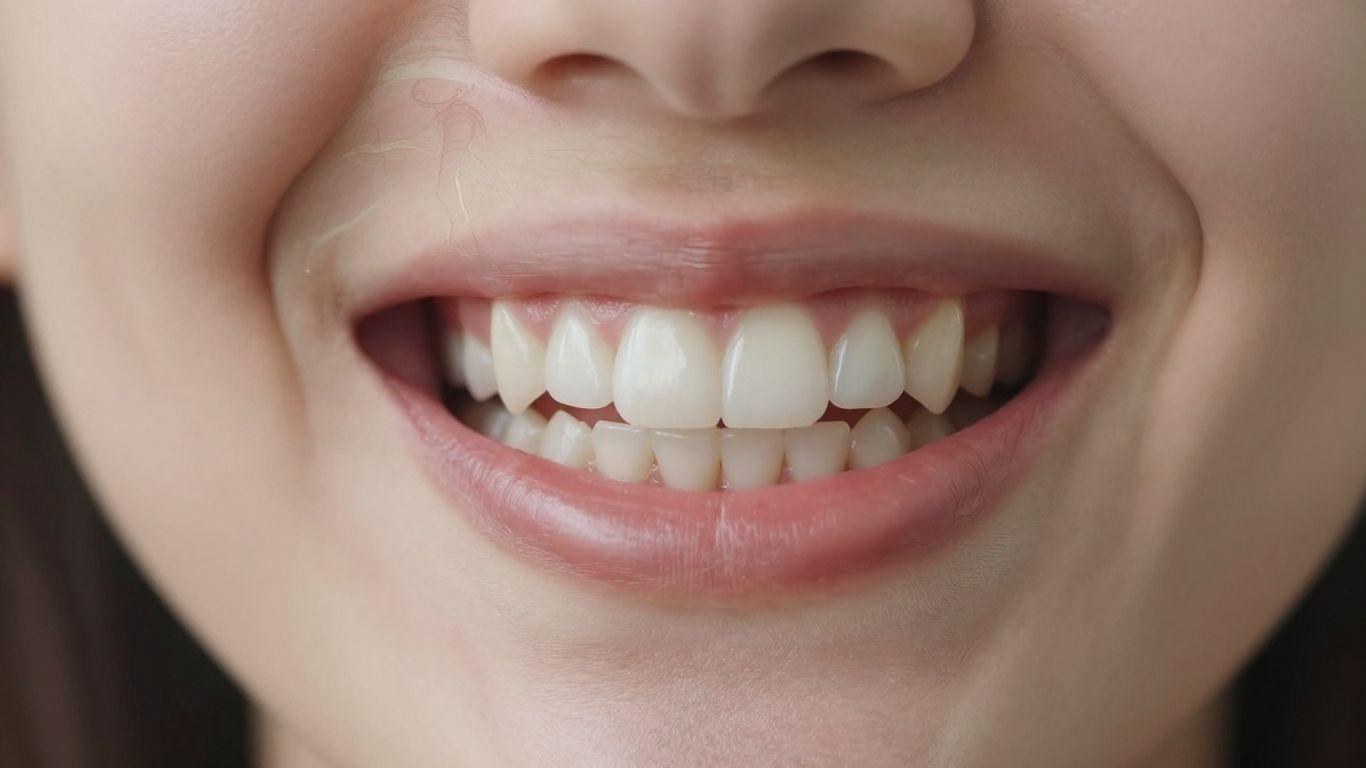
You know how your dentist always asks if you're flossing? Turns out, it's not just about keeping your teeth pearly white. There's a pretty significant link between the health of your mouth and the health of your entire body. It’s not just a saying; there’s real science behind it.
Why do doctors and dentists say the mouth is a window to your body?
Think of your mouth as the entry point to your body. It’s where we eat, drink, and breathe in air. Because of this, it’s home to a whole lot of bacteria – some good, some not so good. When your oral hygiene isn't up to par, like not brushing or flossing regularly, those not-so-good bacteria can multiply. This can lead to problems like cavities and gum disease. But here's the kicker: these issues aren't just confined to your mouth.
Gum disease, specifically periodontitis, is a major player. It's an infection that can spread beyond your gums.
- Bacteria can travel. Tiny bits of bacteria from an infected mouth can enter your bloodstream.
- Inflammation is key. Once in the bloodstream, these bacteria can cause inflammation in other parts of your body.
This inflammation is like a wildfire, potentially affecting organs and systems far from your mouth. It's why dentists often spot signs of other health issues before doctors do.
So, when your dentist looks in your mouth, they're not just checking for cavities. They're looking for signs that might hint at bigger health concerns going on elsewhere in your body. It's a two-way street: what happens in your mouth can definitely impact your overall well-being.
How Oral Health Affects Overall Health — The Science Behind It
So, how exactly does what's going on in your mouth spill over into the rest of your body? It's not just about avoiding cavities or bad breath. The science shows a pretty direct link between your oral health and your overall well-being. Think of your mouth as the entry point, and if things aren't clean and healthy there, it can open the door for problems elsewhere.
Which body systems are most impacted by poor dental health?
It turns out, a lot of systems can feel the effects of neglecting your teeth and gums. It's not just a local issue. Here are some of the main areas that can be affected:
- Cardiovascular System: This is a big one. Bacteria from gum disease can get into your bloodstream. From there, they can travel to your heart and blood vessels, potentially causing inflammation and contributing to things like heart disease, clogged arteries, and even strokes. It's a pretty direct pathway.
- Metabolic System (like Diabetes): If you have diabetes, your oral health can make managing your blood sugar way harder. And on the flip side, having gum disease can actually increase your risk of developing diabetes in the first place. It's a two-way street that can make both conditions worse.
- Respiratory System: When bacteria from your mouth get into your lungs, it can lead to respiratory infections. This is especially a concern for people who are already dealing with lung issues.
- Brain Health: Believe it or not, there's research suggesting a link between poor oral health and conditions like Alzheimer's disease. While it's complex, the inflammation and bacteria from gum disease are thought to play a role.
- Pregnancy Outcomes: For expectant mothers, gum disease has been linked to problems like premature birth and low birth weight. Keeping your mouth healthy is important for a healthy pregnancy.
The mouth is often called the 'gateway to the body' for a reason. The health of your teeth and gums isn't isolated; it's connected to how the rest of your body functions. When harmful bacteria take hold in your mouth, they don't just stay there. They can travel through your bloodstream and cause trouble in other organs and systems.
It's pretty wild to think about, but the simple act of brushing and flossing regularly isn't just about a nice smile. It's a key part of keeping your whole body healthy. Ignoring your mouth can have consequences you might not expect, impacting everything from your heart to your ability to fight off infections.
Connection Between Mouth Health and Body Health Explained
So, we've talked about how your mouth can be a window to your body, but how does that actually work? It's not just about a cavity making it hard to chew your favorite burger. The connection between mouth health and body health is pretty deep, and it all comes down to bacteria and inflammation.
Think of your mouth as the entry point to your whole system. When you have gum disease or serious tooth decay, it means there are a lot of bacteria hanging out in there. These aren't just little guys causing a bit of bad breath; they can actually cause inflammation. And inflammation, well, that's a big deal for the rest of your body.
Can treating gum disease improve conditions like heart disease or diabetes?
This is where things get really interesting. Yes, treating gum disease can absolutely help manage other health issues. When your gums are inflamed and infected (that's gum disease, or periodontal disease), those nasty bacteria and the body's inflammatory response don't just stay put. They can travel through your bloodstream.
Here's a quick rundown of how it plays out:
- Heart Health: Bacteria from your mouth can get into your bloodstream, potentially causing inflammation in your blood vessels. This can lead to hardened arteries, making it tougher for blood to flow and increasing your risk of heart attack or stroke. It's like a domino effect, starting with your gums.
- Diabetes Management: Gum disease and diabetes have a two-way street relationship. If you have diabetes, you're more prone to gum disease. And if you have gum disease, it can make it harder to control your blood sugar levels. Treating the gum disease can make managing diabetes a bit easier.
- Pregnancy Complications: For expecting mothers, severe gum disease has been linked to premature birth and low birth weight. Keeping your mouth healthy is important for both mom and baby.
- Respiratory Issues: Bacteria from your mouth can be inhaled into your lungs, potentially leading to respiratory infections like pneumonia, especially in people who are already vulnerable.
It's easy to think of dental problems as isolated issues, but the reality is that your mouth is intricately connected to your entire body's well-being. What happens in your mouth doesn't just stay in your mouth.
So, when dentists treat gum disease, they're not just saving your teeth; they're also helping to reduce inflammation and the spread of harmful bacteria throughout your body. This can make a real difference in managing chronic conditions like heart disease and diabetes. It really highlights why regular dental check-ups are so important – they're a key part of your overall health plan.
Poor Dental Health Effects on the Body You Should Know
It's easy to think of your mouth as a separate entity, just for eating and smiling. But what happens in your mouth doesn't stay in your mouth. Seriously, the link between your oral health and the rest of your body is way bigger than most people realize. When you've got issues like cavities or gum disease, it's not just your teeth that suffer. These problems can actually kickstart or worsen other health conditions throughout your body.
How does bacteria from the mouth travel to other parts of the body?
Think of your mouth as a busy highway for bacteria. When you have gum disease, the inflammation breaks down the protective barriers in your gums. This gives bacteria a direct route to hop into your bloodstream. From there, they can travel pretty much anywhere. It's like a tiny invasion force setting up shop in other organs. This can lead to inflammation and problems in places you'd never expect, like your heart, lungs, or even your brain.
Here's a quick look at how those little mouth microbes can cause trouble elsewhere:
- Into the bloodstream: Bacteria from infected gums can enter your blood and travel to distant organs.
- Inhaled into the lungs: Tiny droplets containing bacteria can be inhaled, potentially causing respiratory infections.
- Triggering inflammation: Even if bacteria don't directly infect an organ, the inflammatory response they trigger can cause damage.
It's not just about the germs themselves. The chronic inflammation caused by persistent gum disease can also have a ripple effect, making other parts of your body more vulnerable to illness or harder to heal.
Some of the major health systems that can be impacted include:
- Cardiovascular System: Bacteria entering the bloodstream can contribute to inflammation in blood vessels, increasing the risk of heart disease, clogged arteries, and even stroke. It's been linked to high blood pressure too.
- Respiratory System: Inhaling bacteria from the mouth can lead to lung infections like pneumonia or bronchitis, and can worsen conditions like COPD.
- Metabolic System: Gum disease is strongly linked to diabetes. It can make it harder to control blood sugar levels, and people with diabetes are more prone to severe gum disease.
- Brain Health: Emerging research suggests a connection between poor oral health and an increased risk of cognitive decline and conditions like Alzheimer's disease. Inflammation and bacteria reaching the brain are thought to play a role.
- Pregnancy Outcomes: For pregnant individuals, severe gum disease has been linked to premature birth and low birth weight. The bacteria can affect the pregnancy itself.
Oral Health Linked to Systemic Diseases — What Research Shows
It's pretty wild how much is going on in our mouths that can affect our entire bodies. We're not just talking about a toothache here; we're talking about serious stuff. Research keeps digging up more connections, showing that oral health linked to systemic diseases isn't just a theory anymore. Think of your mouth as the entry point for a lot of things, and if it's not in good shape, problems can spread.
We're seeing links between gum disease and a bunch of other health issues. It's not just a coincidence.
- Heart disease: Bacteria from infected gums can get into your bloodstream, potentially causing inflammation in your arteries. This can make them harder and narrower, upping your risk for heart attacks and strokes.
- Diabetes: It's a two-way street. Gum disease can make it harder to control blood sugar, and high blood sugar levels can make gum disease worse.
- Respiratory problems: Germs from your mouth can be inhaled into your lungs, leading to infections like pneumonia, especially in people who are already vulnerable.
- Rheumatoid arthritis: Studies suggest a connection between the inflammation in your gums and the inflammation seen in joints affected by RA.
The science is pretty clear: what happens in your mouth doesn't stay in your mouth. Keeping your gums healthy is a big part of keeping the rest of you healthy too.
It's a lot to take in, but the main takeaway is that taking care of your teeth and gums is way more important than most people realize. It's not just about having a nice smile; it's about protecting your whole body.
Conclusion
So, it turns out your mouth isn't just for eating and smiling. It's really connected to everything else going on in your body. Taking care of your teeth and gums isn't just about avoiding cavities or bad breath; it's a big part of staying healthy overall. Simple things like brushing, flossing, and seeing your dentist regularly can make a huge difference. Think of it as a team effort between your mouth and the rest of your body – when one part is healthy, the whole team does better. Let's all make an effort to give our mouths the attention they deserve for a healthier life.
Frequently Asked Questions
Why do dentists say the mouth is a window to the body?
Doctors and dentists often say this because problems in your mouth, like gum disease or cavities, can be early signs of other health issues. It's like your mouth gives clues about what's happening inside your whole body.
What body parts get affected by bad teeth or gums?
Quite a few! Things like your heart, brain, lungs, and even your pregnancy can be affected. Bacteria from your mouth can travel through your blood and cause problems elsewhere.
Can fixing my gums help with other health problems?
Yes, often it can. If you have gum disease, treating it might help you manage other long-term health issues like diabetes or heart problems better. It's all connected.
How do germs from my mouth get to other body parts?
When you have gum disease, tiny pockets can form around your teeth. Bacteria can get into these pockets and then enter your bloodstream. From there, they can travel to other organs.
Does poor mouth health affect mental health?
It can. People who struggle with their mental health might have more dental problems, and sometimes feeling embarrassed about your teeth can make mental health issues worse. It's a two-way street.
What's the best way to keep my mouth healthy to protect my body?
The basics work best! Brush your teeth at least twice a day, floss every day, eat healthy foods, and visit your dentist regularly for checkups. These simple habits are super important for your whole body's health.
Blog Post Author

Contributed by DentalROI
DentalROI provides relevant dental content to help providers educate patients. The statements, services, and products referenced in this article have not been evaluated by the Food and Drug Administration, and they are not intended as a substitute for professional medical advice, diagnosis, or treatment. Always seek the advice of your dental provider with any questions or issues you may have. Specific recommendations may vary in different circumstances, so individual consultation is important.