What Are the Most Common Causes of a Chipped Tooth?
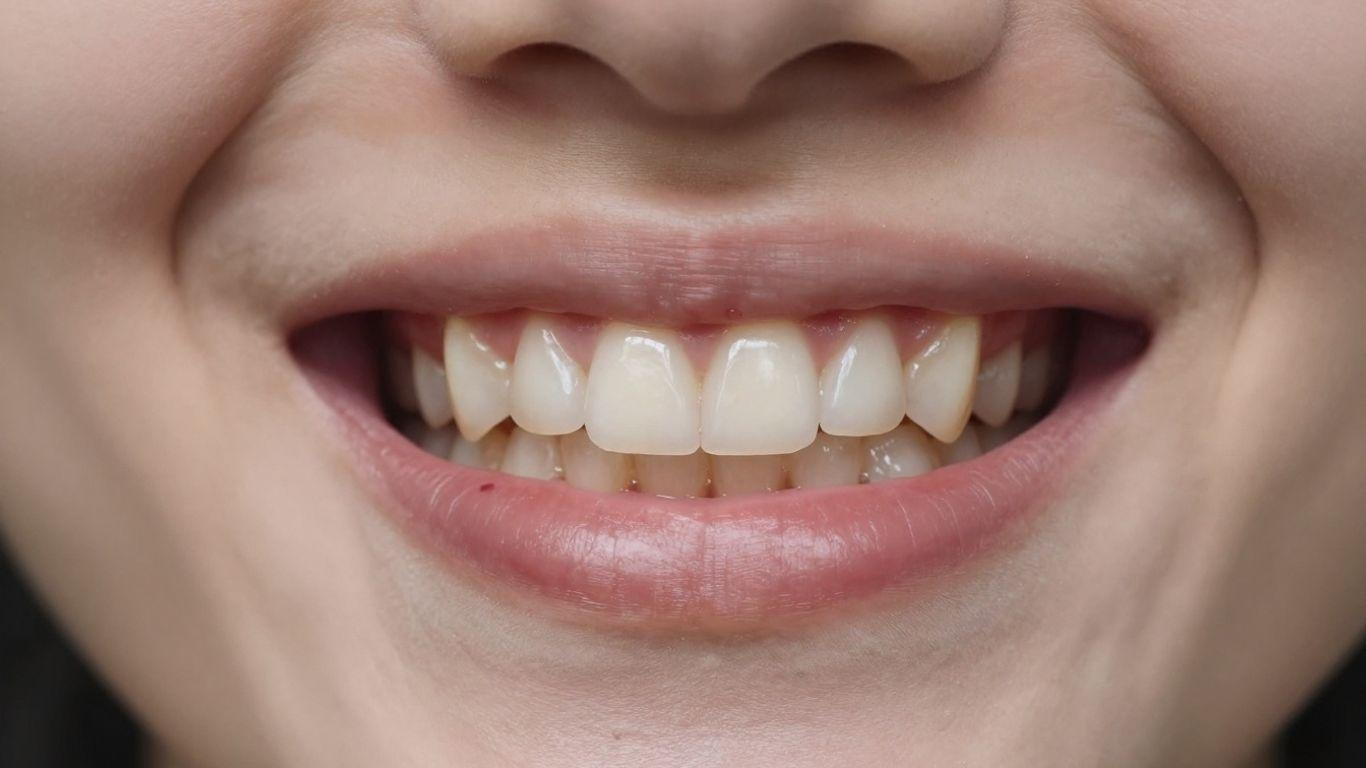
So, you've noticed a little chip in your tooth. It happens more often than you might think! It's not always a dramatic fall or a sports injury that causes it. Sometimes, it's just life, and our teeth take a bit of a beating.
Are some people more prone to chipping their teeth than others?
Yep, definitely. Think of it like this: some people have tougher skin, and some teeth are just more vulnerable. Several things can make your pearly whites more likely to chip. For starters, if you've got any tooth decay or cavities, those weakened spots are just begging to break off. It's like trying to bend a dry twig versus a fresh one – the dry one snaps way easier.
Also, if your bite is a bit off, meaning your teeth don't line up perfectly, some teeth might be taking on way more pressure than they should. Over time, this constant stress can lead to chips. And let's not forget about habits. Chewing on ice, gnawing on pens, or even biting your nails can put a surprising amount of force on your teeth, leading to little chips or even bigger cracks.
Even teeth that seem perfectly healthy can chip if they're subjected to sudden, hard force. It's often a combination of factors, not just one single event, that leads to a chipped tooth.
Here are some of the main culprits behind chipped teeth:
- Trauma: This is the big one. A direct hit to the face from a fall, accident, or sports can easily chip a tooth. Even a hard knock can do it.
- Hard Foods/Objects: Biting down on something unexpectedly hard, like a piece of hard candy, a nut, or even chewing on ice cubes, can cause a chip. It's amazing how much force our teeth endure daily.
- Tooth Decay: As mentioned, decay weakens the tooth structure. A tooth with cavities is much more susceptible to chipping, even during normal chewing.
- Bad Habits: Nail biting, chewing on pencils or pens, and even using your teeth to open packages are all recipes for disaster when it comes to tooth enamel.
- Teeth Grinding (Bruxism): If you grind your teeth, especially at night, that constant pressure can wear down and eventually chip your enamel over time.
- Age: Believe it or not, teeth can weaken as we get older. Enamel can wear down, making older adults more prone to chipping.
Why Do Teeth Chip and Crack — Main Causes Explained
So, why do teeth chip and crack? It's not always some dramatic accident, though those definitely happen. Sometimes, it's the little things we do every day, or even just the way our teeth are. Let's break down the main reasons why your pearly whites might decide to take a little vacation from their original shape.
Can everyday habits like chewing ice or nail biting chip teeth?
Absolutely! Those seemingly harmless habits can pack a surprising punch when it comes to damaging your teeth. Think about it: chewing on hard ice cubes is like biting down on tiny rocks. Your enamel, while tough, isn't designed for that kind of stress. The same goes for biting your nails. You're putting direct, concentrated force on the edge of your teeth, which can easily lead to chips or even more serious cracks over time. It's also pretty common for people to use their teeth as a tool – maybe to open a stubborn bag of chips or tear off a price tag. While it might seem convenient in the moment, it's a recipe for dental disaster. Your teeth are for eating, not for prying or cutting!
Here are a few common culprits:
- Chewing on hard stuff: Ice, hard candies, popcorn kernels, and even very crusty bread can be trouble.
- Nail biting: A habit that puts direct stress on your front teeth.
- Using teeth as tools: Opening packages, tearing labels, or holding things can cause unexpected chips.
- Teeth grinding (Bruxism): This often happens unconsciously, especially at night, and the constant pressure can wear down and crack teeth.
Sometimes, a chipped tooth can happen even when you're being careful. This might be because your enamel is already weakened from other factors, making it more susceptible to damage from everyday activities.
It's easy to underestimate the force involved in these habits. What feels like a gentle nibble can actually be a significant stressor on your tooth structure. Over time, these repeated stresses can lead to micro-fractures that eventually become noticeable chips or cracks. The key takeaway is that consistent, forceful pressure on your teeth, even from seemingly small habits, can lead to damage.
Common Reasons Teeth Chip and How to Avoid Them
So, why do teeth decide to chip? It's not always a dramatic fall or a hockey puck to the face, though those can definitely do it. Sometimes, it's the little things we do every day that wear down our chompers.
Everyday Habits That Can Lead to Chips
Think about what you do with your mouth all day. Chewing on ice cubes, for instance, is a major culprit. That ice is way harder than your enamel can handle long-term. Nail biting is another sneaky one – you're essentially using your teeth as tools, which they aren't designed for. And don't even get me started on using your teeth to open packages. That stubborn plastic packaging doesn't stand a chance against your enamel, but your teeth might not fare so well.
- Chewing on hard items: Ice, hard candies, popcorn kernels.
- Nail biting: Constant, repetitive stress on the teeth.
- Using teeth as tools: Opening packages, tearing labels.
- Teeth grinding (bruxism): Often happens unconsciously, especially during sleep.
When Your Teeth Are Already Vulnerable
Sometimes, it's not just about habits. Your teeth might already be a bit weaker, making them more prone to chipping. Things like tooth decay, or cavities, create weak spots. Also, if you're constantly dealing with acid reflux, that stomach acid can wear down your enamel over time. Even past dental work, like large fillings, can sometimes make a tooth less robust than it used to be. And, believe it or not, age plays a role – teeth can become more brittle as we get older.
It's a bit like a well-worn path in a forest; the more it's used and exposed, the more likely it is to erode. Your teeth are similar; constant stress or exposure to weakening factors can make them more susceptible to damage.
How to Keep Your Teeth Intact
Preventing chips is mostly about being mindful. If you grind your teeth, talk to your dentist about a nightguard. Try to break habits like chewing ice or biting nails. For sports, a mouthguard is a no-brainer. And, of course, regular dental check-ups are key to catching any issues, like decay or wear, before they lead to a chip. Taking care of your teeth means more than just brushing and flossing; it's about protecting them from everyday stresses.
Chipped Tooth Causes and How to Fix It — Treatment Options
So, you've got a chipped tooth. Bummer, right? It might not seem like a huge deal, especially if it's just a tiny piece, but it's definitely something you don't want to ignore. Leaving a chip untreated can lead to more problems down the road, like sensitivity, pain, or even infection if it gets bad enough. Plus, let's be honest, it can mess with your smile.
What's the Fix? It Depends!
The good news is that dentists have a bunch of ways to fix a chipped tooth, and what they do really depends on how big the chip is, where it is on your tooth, and what you're hoping to achieve. It's not a one-size-fits-all situation.
Here are some of the common ways dentists tackle chipped teeth:
- Polishing and Smoothing: For really tiny chips, sometimes the dentist can just smooth out the rough edge. It's a quick fix that makes the tooth feel better and look more natural.
- Bonding: This is a popular option for small to medium chips. The dentist uses a tooth-colored resin material to fill in the chipped part. It's shaped and hardened with a special light, making your tooth look whole again. It's pretty straightforward and usually doesn't take too long.
- Veneers: If the chip is a bit more noticeable, especially on a front tooth, veneers might be the way to go. These are thin, custom-made shells that cover the front surface of your tooth. They look super natural and can really transform your smile.
- Dental Crowns: For bigger chips or teeth that are already weak, a crown is often the best bet. Think of it like a cap that fits over the entire tooth. It restores the tooth's shape, strength, and appearance. This is a more involved process but can save a tooth that's in rough shape.
- Fillings: Sometimes, especially for chips on back teeth, a filling might be used. This is similar to bonding but often used for areas that don't show as much.
- Root Canal: In rare cases, if the chip is so deep that it exposes the nerve inside the tooth, you might need a root canal to treat the infection or damage to the pulp. After that, you'll likely need a crown to protect the tooth.
The most important first step after chipping a tooth is to see your dentist. They're the only ones who can properly check out the damage and tell you exactly what needs to be done. Trying to fix it yourself at home usually isn't an option and could even make things worse.
What If It's a Big Piece?
What Makes Teeth Prone to Chipping — Prevention Tips
So, what makes teeth more likely to chip in the first place? It's not always about a big accident. Sometimes, it's the little things we do every day, or even just how our teeth are built.
Paying attention to what makes teeth prone to chipping can help you avoid a trip to the dentist.
Here are some common culprits and how to steer clear of them:
- Hard Foods and Objects: We all know biting into ice or hard candy can be risky. But it goes beyond that. Think about using your teeth to open packages or even chewing on pens. These habits put a lot of stress on your enamel, making it more likely to break.
- Teeth Grinding (Bruxism): If you grind or clench your teeth, especially at night, you're putting constant pressure on them. Over time, this can wear down your enamel and make your teeth weaker and more susceptible to chips.
- Tooth Decay and Acidic Foods: Cavities weaken your teeth from the inside out. Also, a diet high in sugary or acidic foods and drinks can erode your enamel over time. This makes the tooth surface thinner and more fragile.
- Sudden Temperature Changes: Believe it or not, rapidly switching between very hot and very cold foods or drinks can cause tiny cracks in your teeth. This is especially true if your teeth are already a bit worn down.
- Sports and Accidents: This one's pretty obvious. Contact sports or any activity where you might take a blow to the face significantly increases your risk of chipping a tooth.
Sometimes, even with the best intentions, teeth can chip. It's important to remember that dental work, while necessary, can sometimes leave a tooth slightly more vulnerable than it was before. Large fillings, for instance, can alter the tooth's structure.
To keep your smile in good shape and avoid those annoying chips, try to be mindful of these habits. If you suspect you grind your teeth or have concerns about your enamel's strength, chat with your dentist. They can offer solutions like nightguards or treatments to strengthen your teeth.
Wrapping Up
So, chipped teeth happen. Whether it's from a sports accident, biting down on something too hard, or even just wear and tear over time, it's pretty common. The good news is that dentists have lots of ways to fix them, from simple smoothing to crowns. The best approach is to try and avoid chipping your teeth in the first place by being mindful of what you chew and protecting your teeth during sports. If you do chip a tooth, don't wait around – get it checked out by your dentist!
Frequently Asked Questions
Why do my teeth chip so easily?
Sometimes teeth chip because they're already weak. This can happen from tooth decay, eating a lot of sugary or acidic stuff, or even just getting older. If you grind your teeth at night, that can weaken them too. Basically, anything that makes your enamel thinner makes it easier for a chip to happen.
Can biting my nails chip my tooth?
Yep, definitely. Biting your nails, chewing on ice, or even using your teeth to open packages are all bad habits that can put too much force on your teeth. This can lead to chips or even bigger breaks over time. It's best to break these habits if you can.
What's the most common reason for a chipped tooth?
A lot of times, it's a direct hit or injury to the face. Think sports accidents, falls, or car crashes. But everyday things like biting into something really hard, like a piece of ice or hard candy, can also cause a chip. Tooth decay is another big one because it weakens the tooth structure.
Does age make teeth more likely to chip?
Yes, it can. As we get older, our teeth naturally wear down a bit. The enamel, which is the hard outer layer, can get thinner. This means older teeth are often more fragile and more prone to chipping compared to younger, stronger teeth.
What should I do if I chip my tooth?
First, try not to panic. If a piece of the tooth broke off, try to find it and keep it in some milk. Then, call your dentist right away to set up an appointment. They can look at the chip, figure out the best way to fix it, and make sure there aren't any other problems.
Can a dentist fix a chipped tooth?
Absolutely! Dentists have several ways to fix chipped teeth. For small chips, they might just smooth the edge or use a material called bonding to fill it in. For bigger chips, they might use a veneer or a crown to cover and protect the tooth. They'll choose the best method based on how bad the chip is.
Blog Post Author

Contributed by DentalROI
DentalROI provides relevant dental content to help providers educate patients. The statements, services, and products referenced in this article have not been evaluated by the Food and Drug Administration, and they are not intended as a substitute for professional medical advice, diagnosis, or treatment. Always seek the advice of your dental provider with any questions or issues you may have. Specific recommendations may vary in different circumstances, so individual consultation is important.

 VISIT US