How to Relieve Pain From Dental Implant
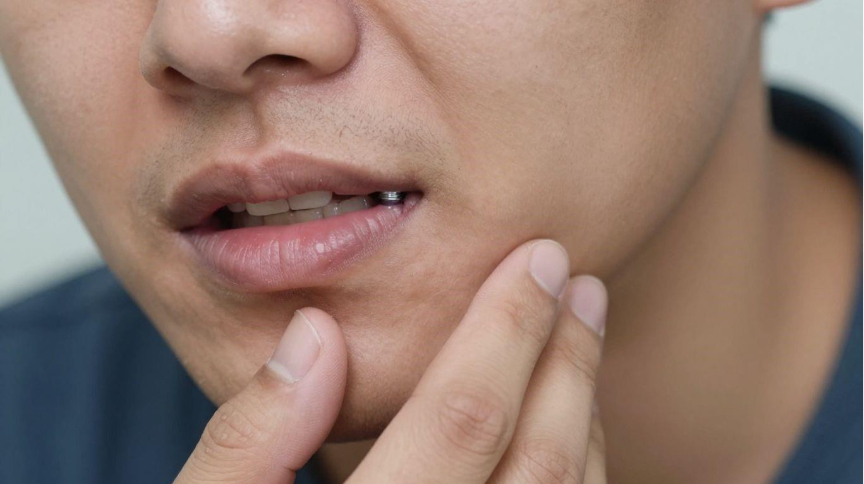
Getting a dental implant is a big step toward a healthier smile, but it's normal to feel some discomfort afterward. This guide is here to help you understand what to expect and how to manage any pain. We'll cover how to relieve pain from a dental implant, offer dental implant healing tips to reduce pain, and share the best ways to reduce dental implant pain naturally. Our goal is to help you feel more comfortable during your recovery process, so you can focus on enjoying your new, stable tooth. Remember, understanding how to manage pain from a dental implant is key to a smooth recovery.
Key Takeaways
- Some pain and swelling are normal for the first few days after dental implant surgery, usually peaking within 48 hours and then gradually improving.
- At-home care like using cold compresses, taking prescribed pain relievers, gently rinsing with salt water, and elevating your head can significantly help reduce discomfort.
- Sticking to a soft food diet, avoiding hard, crunchy, or spicy foods, and chewing on the opposite side of your mouth are important dietary choices to minimize irritation.
- Getting plenty of rest is vital for your body's healing process, making it a crucial part of your dental implant healing tips.
- Contact your dentist if pain worsens instead of improving after a few days, if you develop a fever, or if you experience persistent numbness, as these could signal a complication.
Why Dental Implant Pain Happens
It's pretty common to feel some discomfort after getting a dental implant. Think of it like any other surgical procedure; your body needs time to heal. The process involves placing a titanium post into your jawbone and then, later, attaching a replacement tooth. This naturally causes some temporary soreness and swelling. The initial pain is usually a dull ache and tends to be strongest in the first couple of days after the procedure.
Several things can contribute to this post-operative pain. Primarily, it's the body's natural response to surgery. There's also the possibility of pressure or irritation around the implant site as it begins to integrate with your bone. Sometimes, even minor swelling can put pressure on nearby nerves, leading to discomfort. It's also important to remember that the anesthesia used during the procedure will wear off, and that's when you'll likely start to feel the effects of the surgery.
Most of the time, this pain is manageable and should decrease significantly within a week or two. However, understanding the causes helps in knowing what to expect and how to manage it effectively during your recovery. If you're curious about managing this discomfort, learning about at-home pain relief can be really helpful.
What Normal Dental Implant Pain Feels Like
It's pretty common to feel some discomfort after getting a dental implant. Think of it like any other surgical procedure in your mouth; there's a healing process involved.
This pain usually peaks in the first couple of days after the surgery and then starts to get better. It's typically described as a dull ache right around the implant site. You might also notice some swelling in your cheek or even a little bruising. This is all part of your body's natural response as it begins to heal.
Here's a breakdown of what you might experience:
- Type of Pain: Mostly a dull ache or throbbing sensation.
- Location: Concentrated around the implant area.
- Duration: Peaks within 48-72 hours, then gradually subsides.
- Associated Symptoms: Swelling, minor bruising, and sometimes jaw stiffness.
It's important to remember that while some pain is expected, it shouldn't be unbearable. The discomfort should be manageable with the pain relief methods your dental professional recommends.
Most people find that the pain lessens significantly after the first few days. By about a week to two weeks post-surgery, the discomfort should be mostly gone, allowing you to get back to your normal routine. If the pain is sharp, gets worse over time, or lasts much longer than two weeks, it's a good idea to check in with your dentist.
At-Home Ways to Relieve Dental Implant Pain
It's totally normal to feel some soreness after dental implant surgery. The good news is there are several things you can do at home to make yourself more comfortable. Managing this discomfort is a key part of the healing process.
Here are some effective ways to help reduce pain after fixing dental implants:
- Cold Compresses: For the first 24-48 hours, applying a cold compress or ice pack wrapped in a soft cloth to the outside of your cheek can really help. Do this for about 15-20 minutes at a time, with breaks in between. This helps to constrict blood vessels, which can lessen swelling and numb the area, making it easier to manage the pain.
- Saltwater Rinses: After the first day, gently rinsing your mouth with warm salt water can be beneficial. Mix about half a teaspoon of salt into a cup of warm water. Swish it around gently, then spit it out. This helps keep the surgical site clean and can reduce bacteria, aiding in the healing process. Just be careful not to rinse too vigorously, as this could irritate the area.
- Over-the-Counter Pain Medication: Your dentist will likely recommend or prescribe pain relievers. Taking these as directed is important. Often, alternating between different types of pain relievers, like ibuprofen and acetaminophen, can provide more consistent relief. Always follow your dentist's specific instructions regarding medication.
- Rest and Elevation: Getting plenty of rest is vital for your body to heal. When you lie down, try to keep your head elevated with an extra pillow. This can help reduce swelling and make you feel more comfortable.
Taking good care of the surgical site at home is just as important as the procedure itself. Gentle care and following your dentist's advice will go a long way in ensuring a smooth recovery.
Some patients find that certain natural aids can also offer relief. For instance, applying arnica gel externally might help with bruising, and some find chamomile tea rinses soothing. Always discuss any supplements or natural remedies with your dentist before using them to ensure they don't interfere with your recovery or any medications you're taking. These dental implant healing tips to reduce pain are designed to support your body's natural recovery process. Remember, these are the best ways to reduce dental implant pain naturally and effectively.
Dietary Choices That Help Reduce Implant Pain
What you eat after getting a dental implant can really make a difference in how comfortable you feel during healing. Sticking to softer foods is the name of the game for the first little while. Think along the lines of things that don't require much chewing, like smoothies, yogurt, or well-cooked oatmeal. These options are easy on your mouth and provide the nutrients your body needs to repair itself.
Focusing on nutrient-rich, soft foods helps minimize irritation and promotes a smoother recovery.
When you're choosing what to eat, try to incorporate foods that are also good for healing. Things like mashed potatoes, scrambled eggs, and soft fish are great because they offer protein and other good stuff without being hard on your surgical site. Even warm (not hot!) soups can be soothing. It’s all about giving your mouth a break while still getting the nourishment you need.
Here are some good food ideas:
- Yogurt and protein shakes
- Mashed potatoes and sweet potatoes
- Scrambled eggs and soft fish
- Applesauce and other pureed fruits
It's also a good idea to avoid anything that could potentially cause problems. This means steering clear of anything hard, crunchy, spicy, or acidic. These types of foods can irritate the healing area or even get stuck in places they shouldn't.
Remember, the goal is to protect the implant site and support your body's natural healing process. Gentle eating habits now will pay off in the long run.
Making these dietary adjustments can significantly help manage any discomfort you might feel. It’s a simple yet effective way to support your dental implant recovery and get back to enjoying your favorite meals sooner rather than later.
When Dental Implant Pain Needs Professional Attention
While some discomfort after a dental implant is expected, it's important to know when that pain might signal a problem that needs a dentist's attention. Most of the time, pain should start to get better after a few days and be mostly gone within a couple of weeks. However, if you notice your pain isn't improving or is actually getting worse, it's time to reach out.
Persistent or Worsening Pain is a Key Indicator.
Here are some signs that suggest you should contact your dental professional:
- Pain that lasts longer than two weeks: If you're still experiencing significant pain or discomfort two weeks after your procedure, it's not typical and warrants a check-up.
- Pain that gets worse over time: Instead of fading, if your pain intensifies, this could indicate an issue like infection or improper healing.
- Sharp or throbbing pain that doesn't subside: While some initial sharp pain as anesthesia wears off is normal, prolonged or severe throbbing pain that doesn't respond to prescribed medication is concerning.
- Signs of infection: Look out for increased swelling, redness, pus, a foul taste or smell, or a fever. These are all potential indicators of an infection that needs prompt treatment.
- Bleeding that doesn't stop: Some minor bleeding is normal immediately after surgery, but if it continues excessively for several hours, contact your dentist.
- The implant feels loose or mobile: If you can feel the implant itself moving or shifting, this is a serious sign that it may not be integrating properly with the bone.
- Difficulty opening your mouth or severe jaw stiffness: While some stiffness is normal, extreme difficulty or pain when trying to open your mouth could be a sign of a complication.
It's always better to be cautious when it comes to your oral health. If you're unsure about the level of pain or discomfort you're experiencing, or if you notice any unusual symptoms, don't hesitate to call your dental provider. They can assess the situation and ensure your implant heals correctly.
Wrapping Up Your Recovery
So, you've gone through the process of getting a dental implant, and now you're dealing with some discomfort. That's totally normal, and thankfully, there are straightforward ways to manage it. By following the tips we've talked about, like using cold compresses, taking your pain meds as directed, and sticking to soft foods, you're giving your body the best chance to heal smoothly. Remember, a little patience goes a long way. If you ever feel like the pain isn't getting better or something just doesn't feel right, don't hesitate to reach out to your dental team. They're there to help you get back to feeling comfortable and enjoying your new smile.
Frequently Asked Questions
Is it normal to feel pain after getting a dental implant?
Yes, it is completely normal to feel some discomfort after a dental implant is placed. This feeling is usually strongest in the first few days after the procedure and then starts to get better. Think of it like any other minor surgery; your body needs time to heal.
What does normal dental implant pain feel like?
Typically, the pain feels like a dull ache in the area where the implant was placed. You might also notice some swelling in your cheek or even some bruising. This is your body's natural response to the procedure as it begins to heal.
How can I manage pain at home after my dental implant?
Several things can help ease the discomfort. Using a cold pack on your cheek can reduce swelling and numb the area. Taking pain relievers as your dentist suggests is also important. Gently rinsing your mouth with warm salt water after the first day can help keep it clean. Elevating your head when resting can also decrease swelling.
What kind of foods should I eat after dental implant surgery?
For the first few days, it's best to stick to soft foods. Things like yogurt, smoothies, mashed potatoes, warm soups, and scrambled eggs are good choices. These foods won't put much pressure on the implant site and are easier to eat.
Are there any foods I should avoid after my dental implant?
Yes, you should avoid hard, crunchy, spicy, or very hot foods. These can irritate the healing area or even cause damage. It's also a good idea to try and chew on the opposite side of your mouth to protect the implant.
When should I contact my dentist about my dental implant pain?
While some pain is expected, you should call your dentist if the pain gets worse instead of better after a few days, or if it lasts for more than two weeks. Other signs to watch for include fever, excessive bleeding, or a bad taste in your mouth, which could indicate a problem.
Blog Post Author

Contributed by DentalROI
DentalROI provides relevant dental content to help providers educate patients. The statements, services, and products referenced in this article have not been evaluated by the Food and Drug Administration, and they are not intended as a substitute for professional medical advice, diagnosis, or treatment. Always seek the advice of your dental provider with any questions or issues you may have. Specific recommendations may vary in different circumstances, so individual consultation is important.

 VISIT US