How to Get Over Fear of the Dentist
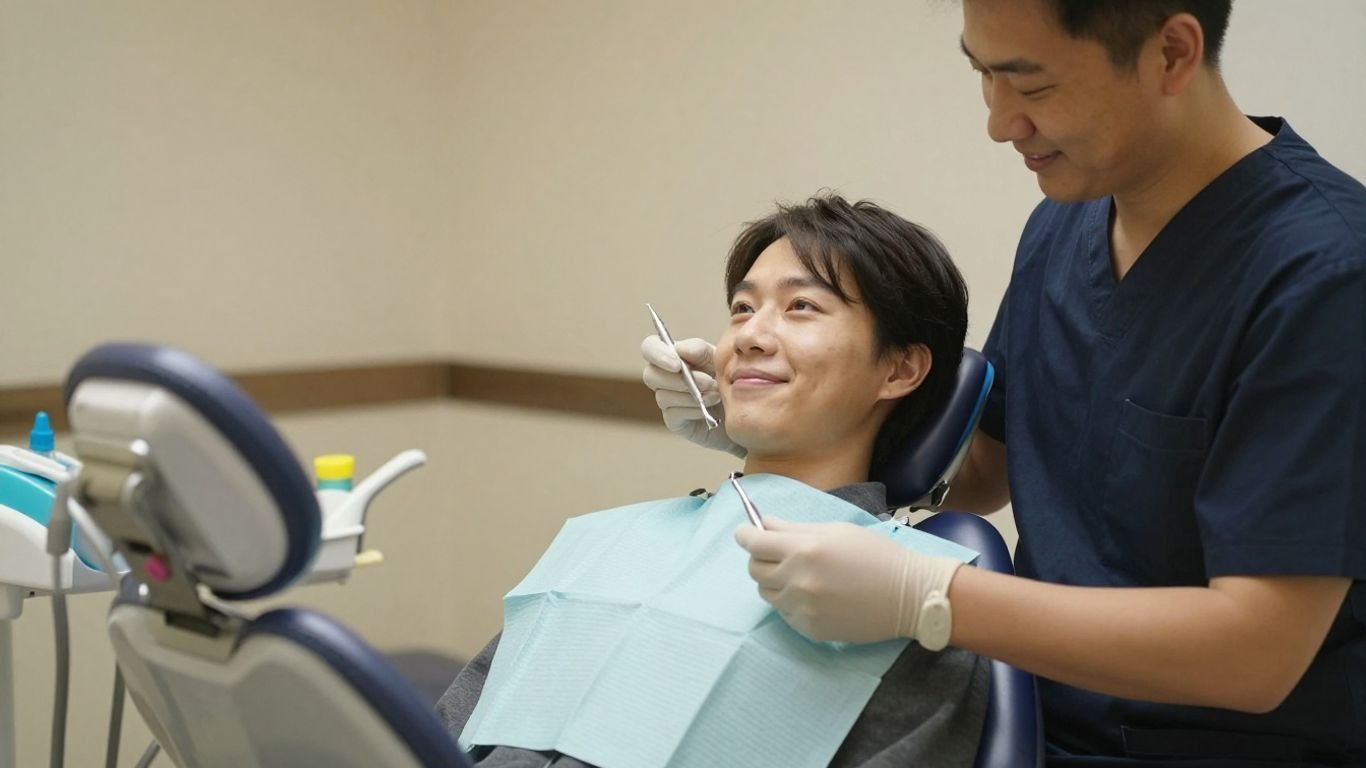
It's pretty common to feel a little uneasy about going to the dentist. Maybe you had a bad experience once, or perhaps you're just worried about the unknown. Whatever the reason, that fear can stop you from taking care of your teeth, which isn't good for your health. But the good news is, you can totally get past this. We're going to break down why this fear happens and what you can do to make your next dental visit a whole lot easier.
Helpful Things to Know
- Dental fear can stem from past bad experiences, fear of pain, loss of control, or embarrassment about your oral health.
- Understanding the root of your fear is the first step to overcoming it.
- Communicating your anxieties to your dentist is important; they are experienced in helping nervous patients.
- Techniques like deep breathing, bringing a friend, or asking for detailed explanations can help manage anxiety during appointments.
- Sedation dentistry options are available for those with severe dental anxiety, making visits more comfortable.
How to Get Over Fear of the Dentist?
It's pretty common to feel a bit uneasy about going to the dentist. You're definitely not alone if the thought of a dental visit makes your palms sweat. Many people develop a fear, or even a full-blown phobia, of dentists for a bunch of different reasons. Sometimes it's a bad experience from the past, maybe a dentist who wasn't very gentle or understanding. Other times, it's the fear of pain, the feeling of losing control in the dental chair, or even embarrassment about the state of your teeth after avoiding appointments for too long. Whatever the reason, this fear can stop you from getting the care you need, which ironically can lead to bigger problems down the road.
Why do so many people develop dental fear or phobia?
So, what's the deal with dental fear? It's a complex thing, and it doesn't always stem from a single event. For some, it's rooted in past dental trauma, like a painful procedure or a dentist who made them feel unheard. Others might have had a generally uncomfortable experience that stuck with them. It's also common for people who are generally more anxious, prone to claustrophobia, or have experienced situations where they felt a lack of control to develop dental fear. The idea of being in a vulnerable position, with someone working inside your mouth, can trigger these feelings. It's like a replay of past experiences where control was taken away.
The cycle of dental fear can be tough. You avoid the dentist because you think it'll be painful and expensive. But by avoiding it, your teeth might get worse, leading to an emergency situation that is more painful and definitely more expensive. Then, you think, "See? I was right all along!" and the avoidance continues.
Here are some common reasons people feel this way:
- Fear of Pain: This is a big one. The thought of drills, needles, and discomfort can be really scary. Modern dentistry has come a long way, though, with gentler techniques and ways to manage pain.
- Loss of Control: Sitting in the chair, unable to move freely, and not always knowing what's happening can feel unnerving. It's a situation where you have to put a lot of trust in someone else.
- Embarrassment: If you haven't been to the dentist in a while, you might worry about judgment or lectures regarding your oral health. Dentists are usually very understanding about this, though.
- Past Negative Experiences: A single bad visit can leave a lasting impression, making it hard to trust another dental professional.
Understanding these roots is the first step in figuring out how to get over fear of the dentist. It's about acknowledging the fear and then finding strategies that work for you.
How to Overcome Dental Phobia Practical Steps That Help
So, you're looking for ways on how to overcome dental phobia? It's totally understandable. A lot of people feel the same way, and it's not something to be ashamed of. The good news is, you're not stuck with this fear forever. There are definitely things you can do to make dental visits less scary.
What triggers dental anxiety and how can you manage it?
First off, let's figure out what's making you anxious. Sometimes it's a bad experience from the past, maybe a dentist who wasn't very gentle or understanding. Other times, it's the thought of pain, or maybe feeling like you're losing control when you're in that chair. It could even be embarrassing about how your teeth look if you haven't been in a while. Whatever it is, naming it is the first step to tackling it.
Here are some practical steps to help manage those triggers:
- Find the right dentist: This is huge. Look for someone who is known for being patient and good with anxious patients. Check reviews, ask friends, or even call a few offices and explain your situation. A dentist who listens and explains things clearly can make a world of difference.
- Communicate your fears: Don't be shy! Tell your dentist and their staff exactly what you're worried about. Are you afraid of needles? The drill sound? Pain? Knowing your specific fears allows them to take steps to make you more comfortable.
- Start small: If it's been a long time, don't jump straight into major work. Ask for a simple check-up and cleaning first. This helps you get used to the environment and the staff without a lot of pressure.
- Bring a distraction: Some people find it helpful to bring headphones and listen to music or a podcast during their appointment. Others might bring a stress ball to squeeze.
Remember, dental professionals deal with anxious patients all the time. They have strategies to help you feel more at ease. Your comfort is their priority, even if it doesn't always feel like it.
It's a process, and it might take a few visits to feel truly comfortable, but taking these steps is how to overcome dental phobia and get back to taking care of your smile.
Dental Anxiety Tips for Adults Before and During Visits
So, you're feeling that familiar knot in your stomach just thinking about your next dental appointment? You're definitely not alone. Lots of adults deal with dental anxiety, and it's totally okay to feel that way. The good news is, there are some solid dental anxiety tips for adults that can make a real difference, both before you even get to the office and while you're in the chair.
What should you tell your dentist about your fear?
This is probably the most important step. Don't keep your worries a secret! Your dentist and their team have seen it all, and they genuinely want to help you feel more comfortable. Before your appointment, or even when you're booking it, let them know you're feeling anxious. You can be specific about what bothers you – is it the sounds, the needles, the feeling of not being in control, or something else? Knowing your triggers helps them tailor their approach. They might suggest ways to make you more comfortable, like explaining each step, using a gentler tone, or offering breaks.
Here are a few things to consider mentioning:
- Past negative experiences: If a previous dental visit left you feeling bad, tell them. It helps them understand why you might be hesitant.
- Specific fears: Are you afraid of pain? Gagging? Needles? Be open about it.
- Sensory sensitivities: Some people are bothered by the sounds of the drill or the taste of certain materials.
- Need for control: If you feel anxious when you can't communicate, ask for a signal (like raising your hand) to let them know you need a break.
Being upfront with your dental team is the first step toward building trust and ensuring a smoother experience. They are there to support you, not to judge.
Can sedation dentistry help people with dental fear?
Absolutely. If your anxiety is pretty intense, sedation dentistry is a fantastic option that many dentists offer. It's designed to help you relax and feel more at ease during your procedure. There are a few different levels, so you can discuss what might be best for you:
- Nitrous Oxide (Laughing Gas): This is a mild form of sedation. You breathe it in through a small mask over your nose, and it helps you feel calm and relaxed. You'll still be awake and able to respond, and the effects wear off quickly after the mask is removed.
- Oral Sedatives: Your dentist might prescribe a pill to take before your appointment. This can make you feel drowsy and very relaxed. You'll need someone to drive you home afterward.
- IV Sedation: For more severe anxiety or longer procedures, this might be an option. You receive medication through an IV, which can put you in a very relaxed, dream-like state. You'll likely have little to no memory of the procedure.
It's important to talk to your dentist about your medical history and any other medications you're taking before deciding on sedation. They can help you choose the safest and most effective option for your specific needs.
Scared of the Dentist — What to Do Before Your Appointment
So, you're feeling that familiar knot in your stomach just thinking about your upcoming dental visit? You're definitely not alone. Many people feel this way, and it's totally okay. The good news is, there are things you can do before you even set foot in the dental office to make the whole experience much smoother. Let's talk about what to do when you're scared of the dentist what to do before your appointment.
Get a Handle on Your Nerves
Before your appointment, try to get yourself into a calmer headspace. Simple things can make a big difference. Think about:
- Deep Breathing: Seriously, just taking slow, deep breaths can really help slow your heart rate and calm you down. Try it for a few minutes.
- Mindfulness or Meditation: Even a short guided meditation you find online can help shift your focus away from worries.
- Light Exercise: A gentle walk or some stretching earlier in the day can help release pent-up tension.
Sometimes, just acknowledging that you're feeling anxious is the first step to managing it. You don't have to pretend everything is fine if it's not.
Can Sedation Dentistry Help?
This is a big one for many folks. If your anxiety is really high, you might want to chat with your dentist before your appointment about sedation options. They can explain what's available and if it's right for you. Options can range from nitrous oxide (that "laughing gas" thing) which helps you relax but you're still awake, to other types of sedatives you might take beforehand. It's all about finding what makes you feel most comfortable and safe.
Bring a Buddy
Don't underestimate the power of a friendly face. Ask a trusted friend or family member to come with you. They can offer moral support in the waiting room, or even sit with you during the appointment if that helps you feel more at ease. Just having someone there can be a huge comfort.
Arrive a Little Early
Try not to rush to your appointment. Give yourself some extra time to get there without feeling stressed. This way, you can settle into the waiting room, maybe chat with the receptionist, or just take a few more deep breaths before you're called back. Less rushing means less stress, plain and simple.
Talk to Your Dentist
This is super important. Let your dentist and their team know you're feeling anxious. They deal with nervous patients all the time and have ways to help. They can explain procedures more clearly, give you breaks when you need them, and generally make sure you feel heard and cared for. Being open about your fear is key to them helping you.
Dental Fear: How to Cope and Take Back Control of Your Oral Health
Okay, so you're feeling that familiar knot in your stomach just thinking about the dentist. It happens to a lot of us, and honestly, it's totally understandable. Life throws curveballs, and sometimes those curveballs involve a less-than-great experience at the dentist's office, or maybe just a general feeling of unease about losing control. Whatever the reason, letting dental fear dictate your oral health is a cycle you can break.
The first step in tackling dental fear is acknowledging it and figuring out what's really bugging you. Is it the thought of pain? The feeling of not being in control? Maybe embarrassment about how your teeth look after avoiding the dentist for a while? Pinpointing the exact worry is key.
Here are some ways to start coping and get back on track:
- Find your person: Seriously, the right dentist makes a world of difference. Look for someone who listens, is patient, and doesn't make you feel rushed or judged. A quick chat beforehand can tell you a lot.
- Talk it out: Don't be shy! Tell your dentist and their staff about your fears. They've heard it all before and can explain what they're doing, offer breaks, or adjust their approach.
- Bring a buddy: Having a friend or family member with you for support can be a huge comfort. They can offer a hand to hold or just be a calming presence.
- Distraction is your friend: Ask if you can listen to music or a podcast during your appointment. Some offices even have TVs or offer things like weighted blankets.
Remember, avoiding the dentist often leads to bigger, more uncomfortable, and more expensive problems down the road. It's a bit of a vicious cycle. But by taking small, manageable steps, you can absolutely regain control of your oral health and your peace of mind.
Putting off dental visits because of fear can actually make things worse. When you finally go, the issues might be more serious, leading to more complex treatments and, yes, potentially more discomfort and cost. It's a self-fulfilling prophecy for many, but one that's entirely preventable with proactive steps and the right dental team.
You've Got This!
So, taking care of your teeth doesn't have to be a big scary thing. We've talked about why you might feel this way and some solid ways to make your next dental visit way less stressful. Remember, finding the right dentist who gets it, maybe bringing a buddy, or even trying some deep breaths can make a huge difference. It's all about taking small steps and knowing you're not alone in this. Your smile is worth it, and so is your overall health. Give these tips a try, and you might just surprise yourself with how much better you feel about going to the dentist.
Frequently Asked Questions
Why do people get scared of the dentist?
Many things can cause fear of the dentist. Sometimes, it's a bad experience from the past, like feeling pain or not being treated kindly. Other times, people worry about the unknown, like what sounds or feelings they might experience. Some might be afraid of needles or the feeling of not being in control. Embarrassment about how their teeth look can also be a big reason for avoiding the dentist.
What are the signs of dental anxiety?
Dental anxiety can show up in different ways. You might feel your heart beat faster, sweat a lot, or have trouble breathing when you think about going to the dentist. You might also constantly worry about what could go wrong during your visit, like feeling pain or something bad happening. The most obvious sign is putting off or completely avoiding dental appointments, even when you know you should go.
How can I tell my dentist I'm afraid?
It's really important to let your dentist and their team know you're feeling nervous. You can tell them when you book your appointment or as soon as you arrive. You could say something like, 'I'm a bit anxious about coming in today.' Dentists are used to helping people with fears, and they want to make you feel as comfortable as possible. They can explain everything they're doing and take extra steps to ease your worries.
Can sedation help with fear of the dentist?
Yes, sedation dentistry can be a great help for people with dental fear. Your dentist might offer options like laughing gas (nitrous oxide) or mild sedatives. These can help you feel much more relaxed and calm during your appointment. It doesn't mean you'll be asleep, but it can significantly reduce your anxiety so you can get the dental care you need without feeling overwhelmed.
What should I do before my dentist appointment to feel less anxious?
Before your visit, try some relaxation techniques like deep breathing or listening to calming music. You could also bring a friend or family member for support. Arriving a little early can help you avoid feeling rushed and stressed. It's also a good idea to talk to your dentist beforehand about your fears and what might make you more comfortable during the appointment.
What happens if I avoid the dentist for too long?
Putting off dental visits can lead to bigger problems down the road. Small issues can become more serious and painful, like cavities turning into infections or gum problems getting worse. This often means more complex and expensive treatments are needed later on. Plus, not taking care of your teeth can affect your overall health and how you feel about yourself.
Blog Post Author

Contributed by DentalROI
DentalROI provides relevant dental content to help providers educate patients. The statements, services, and products referenced in this article have not been evaluated by the Food and Drug Administration, and they are not intended as a substitute for professional medical advice, diagnosis, or treatment. Always seek the advice of your dental provider with any questions or issues you may have. Specific recommendations may vary in different circumstances, so individual consultation is important.

 VISIT US