How Botox Can Improve Your Smile?
When you think about Botox, you probably picture smoothing out wrinkles. And yeah, it does that. But did you know it can also do wonders for your smile? It's not just about looking younger; it's about making your smile look and feel its best. Dentists are now using Botox to help with things like gummy smiles, lip lines, and even jaw clenching. Let's break down how this treatment can really make your smile shine.
Key Takeaways
- Botox is a treatment that temporarily relaxes muscles, and dentists can use it to improve how your smile looks and functions.
- It can help reduce the appearance of a "gummy smile" by relaxing the muscles that lift the upper lip too high.
- Botox can smooth out lines and wrinkles around the mouth, often called "smile lines" or "lipstick lines," making the area look younger.
- For those who grind or clench their teeth (bruxism), Botox can relax the jaw muscles, reducing pain and protecting teeth.
- Dentists, with their knowledge of facial anatomy, are well-suited to administer Botox for smile enhancements, aiming for natural-looking results.
Understanding Botox in Dentistry
When you hear about Botox, you might first think of cosmetic treatments for wrinkles, maybe something you see in magazines or on TV. But did you know that Botox has a growing role in dentistry? It's not just about looking younger; it's about improving how your smile functions and looks in ways you might not expect.
What is Botox? Simply put, Botox is a purified protein derived from a bacterium. In very small, controlled doses, it works by temporarily relaxing muscles. This muscle relaxation is key to how it helps with various dental and cosmetic concerns around the mouth. While doctors have used it for years for medical reasons like migraines or eye conditions, dentists are now increasingly trained to use it for specific oral health and aesthetic improvements. It's a treatment that can be done right in the dental office, often taking just a short amount of time.
Botox can address several issues:
- Reducing a "gummy" smile where too much gum shows.
- Softening lines around the lips.
- Relieving pain from teeth grinding or jaw clenching.
- Helping with facial muscle spasms.
Dentists are uniquely positioned to administer Botox because they have a deep understanding of the muscles and anatomy of the face, especially around the mouth and jaw. This knowledge helps them achieve natural-looking results that complement your smile.
It's important to know that Botox is an FDA-approved treatment, and when administered by a qualified professional, it's considered safe. If you're curious about how this treatment could benefit you, discussing it with your dentist is a good first step to see if it's the right option for your needs. You can find out more about therapeutic and cosmetic uses for Botox® in dentistry.
How Botox Enhances Your Smile Aesthetics
When people think about Botox, they often picture smoothing out wrinkles on the forehead or around the eyes. But did you know it can also make a big difference in how your smile looks? It’s true. Botox works by relaxing muscles, and sometimes, those muscles can work against a beautiful smile.
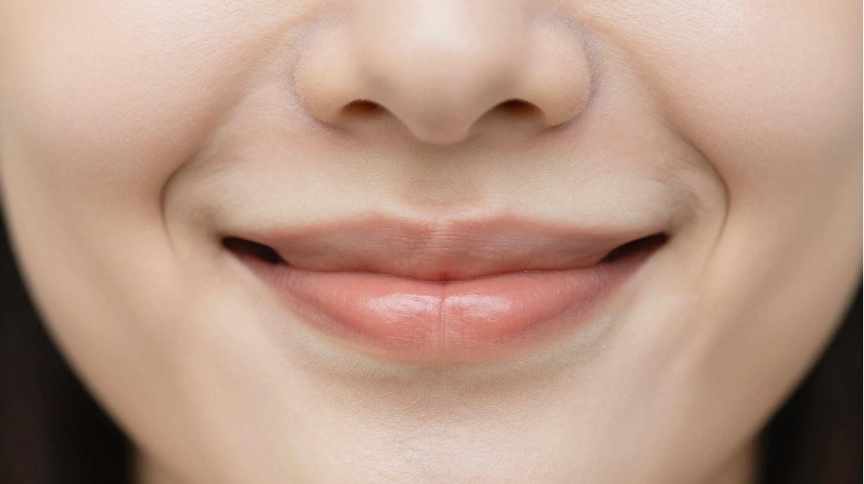
One common way Botox helps is with what's called a "gummy smile." This happens when your upper lip lifts too high when you smile, showing more gum than teeth. A few small injections can relax the muscles that pull the lip up, allowing it to rest in a more natural position. This simple adjustment can dramatically change the appearance of your smile, making your teeth the focus.
Then there are the lines that form around your mouth. You know, the ones that appear when you smile or talk? These smile wrinkles botox can soften. Over time, repeated expressions can etch lines into the skin, and Botox can help smooth those out. This applies to the vertical lines above the upper lip, sometimes called botox smile lines around mouth, and other creases that can form around the mouth area. So, does botox help with smile lines? Yes, it can certainly soften their appearance.
It's also possible to get botox around mouth for wrinkles and to address other concerns. For instance, if you have a habit of clenching your jaw or grinding your teeth, especially at night, the muscles in your jaw can become overactive. This can not only cause discomfort but also affect the shape of your face. Botox can help relax these muscles, which can be a game-changer for both comfort and aesthetics. It's a way to address how botox improves smile aesthetics by looking at the muscles that frame your mouth and jaw. So, can you get botox around your mouth? Yes, for specific concerns related to muscle activity and wrinkles that impact your smile.
The goal with Botox for smile aesthetics isn't to stop you from smiling or making expressions. It's about fine-tuning the muscles that might be causing unwanted lines or affecting how your smile looks naturally. The aim is a balanced, refreshed appearance that still looks like you.
Functional Benefits Beyond Cosmetics
While many people associate Botox with smoothing out wrinkles, its applications in dentistry go much deeper than just aesthetics. It can actually help with some common dental problems that go beyond just how your smile looks.
One significant area where Botox helps is with bruxism, which is the medical term for teeth grinding or clenching. This habit, often happening unconsciously during sleep, can lead to worn-down teeth, jaw pain, and even headaches. By carefully injecting small amounts of Botox into the overactive jaw muscles, dentists can relax them. This reduces the force of clenching and grinding, offering relief and protecting your teeth from further damage. It's a therapeutic solution that addresses the root cause of discomfort.
Another functional benefit is managing a "gummy smile." This happens when the muscles controlling your upper lip are too active, causing a lot of gum tissue to show when you smile. Botox can relax these specific muscles, allowing the upper lip to sit a bit lower. This subtle change can create a more balanced and pleasing smile without altering your natural expressions.
Here's a quick look at how Botox addresses these issues:
- Bruxism Relief: Reduces jaw muscle activity to prevent teeth grinding and clenching.
- Headache Reduction: Eases tension headaches often associated with jaw clenching.
- Gummy Smile Correction: Relaxes upper lip muscles for a more balanced gum-to-tooth ratio.
- Muscle Relaxation: Temporarily weakens targeted muscles to alleviate discomfort and strain.
These treatments are not just about looking good; they're about improving comfort and preventing long-term dental issues. Dentists are uniquely positioned to administer these injections because they understand the complex muscles of the face and mouth.
Botox can be a surprisingly effective tool for addressing these functional concerns, contributing to overall oral health and well-being. It's a way to get relief and improve your smile's appearance at the same time, making it a versatile option for many patients seeking dental care.
What to Expect During Treatment
Getting Botox for your smile is usually a pretty straightforward process. It starts with a chat, where the person doing the treatment will look at your face and talk about what you're hoping to achieve. They'll figure out if Botox is the right move for you and where it should go.
The actual injection part is quick, often taking just about 10 to 15 minutes. It's not a long appointment at all. You might feel a little pinch when the needle goes in, but most people find it quite manageable. They use a very fine needle, so it's not usually a big deal.
After the injections, you can pretty much go back to your day. There's usually no real downtime needed. You might see some slight redness or maybe a tiny bit of swelling right where the injection happened, but that typically fades fast. The results aren't instant, though. It takes a few days to a week to really see the full effect as the muscles start to relax.
Here's a quick rundown of what happens:
- Consultation: Discuss your goals and have your facial muscles assessed.
- Treatment: Quick injections administered by a trained professional.
- Post-Treatment: Minimal to no downtime, with results appearing over several days.
It's important to remember that Botox is temporary. The effects usually last for about three to six months. After that, you'll likely need follow-up treatments if you want to keep up the results. It’s all about subtle changes, not freezing your face, so you still look like you, just with a more balanced and pleasing smile.
The goal is to create a more harmonious look, addressing specific muscle movements that might be affecting your smile's appearance or causing discomfort. It's a way to fine-tune your natural expression.
Advantages of Choosing Botox for Smile Improvement
When considering ways to make your smile look and feel its best, botox for smile treatments present a few distinct benefits. It's not just about smoothing out wrinkles, though that's a big part of it. For many people, it's about addressing specific concerns that affect how they feel about their smile.
One of the main draws is how non-invasive it is. Unlike surgical options, botox involves a quick injection. Most people find they can get back to their regular activities right away. This makes it a really convenient choice for busy individuals.
Here are some key advantages:
- Quick Procedure: Treatments typically take only a few minutes, fitting easily into a lunch break or a short appointment.
- Minimal Downtime: You can usually resume your daily routine immediately after the injection.
- Natural-Looking Results: When administered by a trained professional, botox can relax muscles just enough to soften lines and adjust lip position without making your face look unnatural or frozen.
- Versatility: It can address a range of smile-related issues, from gummy smiles to lines around the mouth and even jaw tension.
Many people are surprised to learn that botox can help with more than just wrinkles. It can actually help balance the muscles around your mouth and lips, leading to a more harmonious and pleasing smile appearance. This can make a noticeable difference in how you feel when you smile.
Another plus is the ability to target specific muscles. For instance, if a gummy smile is a concern, botox can gently relax the muscles that pull the upper lip up too high. Similarly, it can help soften lines that form from repeated expressions, like smiling or talking. For those who experience teeth grinding or jaw clenching, botox can relax these overactive muscles, offering relief and protecting teeth from damage.
A Brighter Smile Awaits
So, as you can see, Botox offers more than just wrinkle reduction. It can actually help make your smile look and feel better in several ways, whether it's smoothing out lines around your mouth, helping with teeth grinding, or even lifting the corners of your lips. It’s a quick procedure, and many people find it makes a noticeable difference in their confidence. If you've been thinking about ways to improve your smile, talking to a dental professional about Botox could be a good next step to see if it's the right fit for you.
Frequently Asked Questions
What exactly is Botox and how does it help smiles?
Botox is a special liquid made from a purified protein. It works by temporarily relaxing muscles. In dentistry, it's used to help with certain smile issues, like making a gummy smile less noticeable or smoothing out lines around the mouth. It's a quick treatment done right in the office.
Can Botox really fix a gummy smile?
Yes, it can! If a lot of gum shows when someone smiles, it's often because the muscles controlling the upper lip are a bit too active. A tiny bit of Botox can relax these muscles, so the upper lip rests a little lower and shows off the teeth more than the gums.
How does Botox help with teeth grinding or jaw clenching?
Many people grind or clench their teeth, especially at night. This is called bruxism and can hurt your teeth and jaw. Botox can be injected into the jaw muscles to relax them, which reduces the grinding and clenching, easing pain and protecting your teeth from damage.
What about wrinkles around the mouth, can Botox help those too?
Absolutely. Over time, smiling and other facial movements can create lines and wrinkles around your mouth, sometimes called 'smile lines' or 'smoker's lines.' Botox can soften these lines by relaxing the muscles that cause them, leading to a smoother, more youthful look around your smile.
Is getting Botox injections painful?
Most people find Botox injections to be quite comfortable. A small needle is used, and dentists often apply a numbing cream or use a local anesthetic to make the process as painless as possible. It's a very quick procedure.
How long do the effects of Botox last, and what happens when they wear off?
The effects of Botox typically last for about three to six months. When the effects start to fade, the muscles gradually regain their ability to move, and the treated areas will return to their pre-treatment appearance. If you like the results, you can get more injections to maintain them.
Blog Post Author

Contributed by DentalROI
DentalROI provides relevant dental content to help providers educate patients. The statements, services, and products referenced in this article have not been evaluated by the Food and Drug Administration, and they are not intended as a substitute for professional medical advice, diagnosis, or treatment. Always seek the advice of your dental provider with any questions or issues you may have. Specific recommendations may vary in different circumstances, so individual consultation is important.