Does Getting a Cavity Filled Hurt? What to Expect
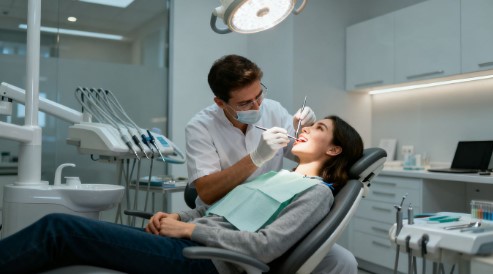
Many people feel a fair amount of anxiety when they hear they need a filling. It is completely normal to feel uneasy about sitting in the chair while someone works on your teeth. The good news is that modern techniques have turned this routine procedure into one most patients get through comfortably. At Sunshine Dentistry in Tampa, Drs. Daira and Daima Avila walk every patient through what to expect before the work begins, which takes most of the worry out of the visit.
What Does Getting a Filling Actually Feel Like?
Most people expect sharp pain, but the reality is far more manageable. Once you sit down, the main sensations are pressure and occasional vibration from the handpiece. Because your dentist uses local anesthesia, the nerve endings around the treatment area are effectively asleep. You may feel a gentle pull or light tapping, but you should not feel actual pain while the decay is removed. If you do feel anything sharp, say so, and more anesthetic can be added.
The Cavity Filling Procedure Step by Step
The process starts with a thorough cleaning of the affected tooth to clear away debris. Once the site is clean, your dentist applies an etching agent and a bonding agent to prepare the surface for the restorative material. The filling material is then shaped to match your bite precisely and cured with a special light so it hardens correctly. You can learn more about our approach on our dental fillings page.
Are Fillings Painful Without Numbing?
Very superficial surface decay can occasionally be addressed without anesthesia, but dentists almost always recommend numbing the area to maximize comfort. The table below outlines the materials commonly used for fillings and where each works best.
| Material Type | Typical Color | Best Used For |
|---|---|---|
| Composite resin | Tooth-colored | Front and back teeth |
| Amalgam | Silver | Back biting surfaces |
| Glass ionomer | Natural shade | Children and root areas |
Tooth-colored composite resin is the most common choice today because it bonds directly to the tooth, preserves more natural structure, and blends in visually. Choosing the right material for your specific tooth ensures the restoration feels natural once the work is complete.
How Dentists Keep Fillings Comfortable From Start to Finish
A topical numbing gel applied before the injection makes the initial pinch barely noticeable, and that small step sets the tone for a low-stress visit. Digital imaging also lets your dentist pinpoint decay with precision, which means less time drilling and a more conservative restoration. According to the American Dental Association, fillings are among the most common restorative procedures performed in dentistry, and today's techniques make them routine.
What You Might Feel After the Numbness Wears Off
Once the anesthesia fades, mild discomfort or heightened sensitivity is common. This usually just means your tooth is adjusting to the new material. To manage it during the first 24 to 48 hours:
- Eat soft, lukewarm foods that do not require heavy chewing.
- Avoid biting directly into hard items like ice or nuts.
- Rinse gently with warm salt water to soothe minor gum irritation.
- Use an over-the-counter anti-inflammatory if soreness persists.
If sensitivity steadily improves over the following days, that is a sign your tooth is healing well around the filling.
Tips to Make Your Filling Appointment Easier
Preparing for your visit often starts with your own routine and mindset. Many patients find that listening to music or practicing slow, steady breathing keeps them relaxed throughout. Our team is well-equipped to handle nerves and is always happy to pause if you feel uncomfortable at any point. Letting us know about dental anxiety in advance means we can pace the appointment accordingly.
When Filling Pain Means Something More Serious
Brief sensitivity is standard, but pain that grows sharper or becomes constant may mean the bite needs a minor adjustment. If the restoration sits even slightly too high, it strikes the opposing tooth with excess force every time your jaw closes. Your dentist can check the bite with marking paper and refine the surface in minutes. Deeper decay that has reached the nerve may instead call for root canal treatment. If pain does not subside within a week, contact our office to have it evaluated.
Conclusion
Having a cavity filled is a routine procedure that restores your dental health and prevents more extensive problems later. With modern anesthesia, advanced materials, and careful aftercare, most people find the experience far easier than they expected and return to their normal routine the same day. Staying on top of preventive care is the best way to keep fillings small and infrequent.
Frequently Asked Questions
How long does a filling procedure take?
Most fillings take 30 to 60 minutes, depending on how deep the decay has progressed into the tooth.
Will I be able to eat immediately after the appointment?
Wait until the numbness has fully worn off so you do not accidentally bite your cheek or tongue.
Why does my tooth feel sensitive to cold liquids?
Temporary sensitivity is common because the nerve is reacting to the procedure and the new material bonded to the tooth.
Can I go back to work right after getting a filling?
Yes. You can typically return to work or school immediately, though some numbness may linger in your lip or cheek for an hour or two.
What should I do if the filling feels high?
If your bite feels uneven when you close your mouth, call your dentist for a quick adjustment to polish it down.
How long do dental fillings last?
Fillings often last many years with good hygiene, though they may eventually need replacing if they wear down or crack.
About the Author
Sunshine Dentistry is a general and cosmetic dental practice located at 14953 N Florida Ave in Tampa, Florida, serving Lutz, Carrollwood, Lake Magdalene, and the greater Tampa area. The practice is led by Dr. Daira Avila, D.M.D., a graduate of the University of Florida College of Dentistry, and Dr. Daima Avila, D.M.D., a graduate of the LECOM School of Dental Medicine. The team provides preventive, restorative, cosmetic, and emergency dental care, and offers bilingual English and Spanish service.
Medical Disclaimer
The information provided in this article is for educational purposes only and does not constitute professional medical or dental advice, diagnosis, or treatment. If you experience severe or worsening pain, swelling, or fever after a dental procedure, contact your dentist promptly. Always seek the advice of your dentist or other qualified health provider with any questions you may have regarding a dental condition or treatment. Never disregard professional advice or delay in seeking it because of something you have read here.
Blog Post Author

Contributed by DentalROI
DentalROI provides relevant dental content to help providers educate patients. The statements, services, and products referenced in this article have not been evaluated by the Food and Drug Administration, and they are not intended as a substitute for professional medical advice, diagnosis, or treatment. Always seek the advice of your dental provider with any questions or issues you may have. Specific recommendations may vary in different circumstances, so individual consultation is important.

 VISIT US