What makes someone a good candidate for dental implants?
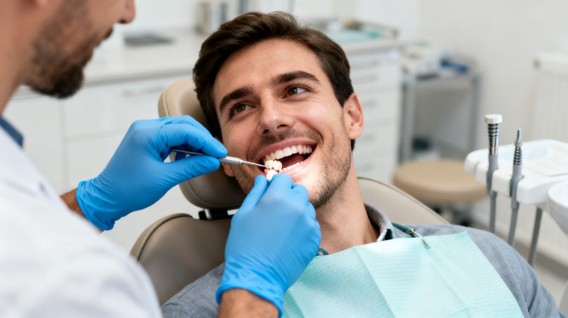
Dental implants may be an option for adults who have lost one tooth, several teeth, or an entire arch. Candidacy is not decided by a single checklist, though. Your dentist will consider your gums, jawbone, general health, habits, and goals before recommending treatment. A careful evaluation is the best way to understand whether dental implants Tampa patients commonly consider are appropriate for you.
One missing tooth, several missing teeth, or full-arch tooth loss
Implants can be used in different restorative plans, depending on how many teeth are missing and where the gaps are located. A single implant may support one replacement tooth, while several implants can support a bridge or a full-arch restoration. The condition of your remaining teeth also matters, since they may affect the design and function of the final result.
Healthy gums and enough jawbone support
Healthy gum tissue helps protect the tissues around an implant during healing. The implant also needs sufficient jawbone volume and density for stable support. If bone has changed after tooth loss, that does not always end the conversation, but it may mean that additional treatment is needed first.
Good oral hygiene and realistic expectations
Implants require daily care, just like natural teeth. Brushing, cleaning between teeth, and attending regular dental visits help protect the surrounding gums and the restoration. It is also useful to understand that treatment takes time and may involve several stages rather than producing a finished result immediately.
Why age alone does not determine candidacy
There is no single age at which a person automatically becomes a good or poor implant candidate. Growth, medical history, bone condition, oral hygiene, and the ability to heal are usually more relevant than the number of birthdays someone has had. Older adults may qualify, while younger adults may need to wait if jaw development is not complete.
Oral health issues to address before implant placement
Implant placement works best when the mouth is stable before surgery. Gum inflammation, untreated decay, infection, and an unbalanced bite can complicate healing or affect the long-term result. Addressing these concerns first may add steps to treatment, but it can also create a healthier foundation for the restoration.
Treating gum disease and active infections
Gum disease can damage the tissues and bone that support teeth, and an active infection may interfere with healing. Your dentist may recommend periodontal treatment, cleaning, or infection control before implant placement. The goal is to reduce inflammation and establish healthier conditions around the planned implant site.
Repairing damaged or decayed neighboring teeth
Teeth beside the missing space may need attention before an implant is placed. Decay, cracks, failing fillings, or untreated root problems can affect the overall stability of your bite and oral health. Treating those teeth first helps your dentist plan a restoration that fits into a healthier, more predictable environment.
Managing teeth grinding and bite problems
Clenching or grinding can place heavy forces on natural teeth and dental restorations. A deep bite, shifting teeth, or uneven contact may also need to be evaluated. Depending on the situation, your dentist may discuss a nightguard, restorative work, or another approach to reduce stress on the implant and replacement tooth.
How smoking can affect healing and implant success
Smoking can affect blood flow and the body's ability to heal after oral surgery. It may also increase the risk of gum problems around an implant. Be open about tobacco or nicotine use during your consultation. Your dental team can explain how stopping or reducing use may affect timing and recovery in your particular case.
Medical factors your implant dentist will consider
A dental implant evaluation includes more than an examination of the missing tooth. Your medical history helps the dental team identify factors that may influence surgery, anesthesia, bone healing, or ongoing maintenance. This is not meant to exclude people unnecessarily; it helps shape a safer and more realistic plan.
Conditions that may affect bone healing
Some health conditions can influence how quickly bone and soft tissue recover after surgery. A history of osteoporosis, immune-related illness, radiation treatment, or other significant medical concerns may prompt a closer review. The effect varies from person to person, so the diagnosis alone does not determine candidacy. According to the American Dental Association, chronic illnesses such as diabetes or leukemia may interfere with healing after surgery, and tobacco use can also slow the process.
Medications that can influence surgery or recovery
Tell your dentist about every prescription medication, over-the-counter product, and supplement you take. Blood thinners, medicines that affect bone metabolism, and drugs that influence the immune system may be relevant to surgical planning. Do not stop a medication on your own; your dentist and physician can decide whether any coordination is needed.
Blood sugar control and overall health
Uncontrolled blood sugar can make healing more difficult and may increase the risk of infection. Your dentist may ask about diabetes management, recent medical changes, and your general recovery from past procedures. Stable health and good communication with your care team support better planning.
How a Tampa dental implant evaluation works
An evaluation is a conversation as well as a clinical examination. You should have time to explain what you want to improve, what concerns you have, and what limitations matter to you. The dentist then combines that information with imaging and an examination to determine which options are worth discussing.
Reviewing your dental and medical history
Your dentist will ask about missing teeth, previous dental work, gum problems, surgeries, medications, allergies, and health conditions. You may also discuss smoking, grinding, and your experience with dental treatment. These details give context to the examination and help identify issues that should be addressed before surgery.
Using X-rays and 3D imaging to assess bone
Dental X-rays can show tooth roots, bone levels, and nearby structures. When more detail is needed, three-dimensional imaging may help assess the shape and available volume of the jawbone. Imaging is used alongside the physical examination rather than as a substitute for it.
Creating a personalized treatment plan
After gathering the information, your dentist can explain possible approaches, the expected sequence, and any preparatory procedures. A useful plan should also cover healing time, temporary teeth if needed, maintenance, and the kind of final restoration being considered.
What happens if you do not have enough jawbone?
Insufficient bone does not always mean implants are impossible. Bone can shrink after tooth loss, and the amount available may differ between the front and back of the mouth. Your dentist will assess the location, the desired restoration, and the surrounding anatomy before recommending whether grafting or another approach makes sense.
Bone grafting and sinus lifts
A bone graft adds material to an area that needs more volume or support. It may be completed before implant placement, or in selected cases it may be performed during the same appointment. In the back of the upper jaw, the sinus may be positioned close to the area where an implant would be placed, and a sinus lift can create additional space and bone support when the anatomy requires it.
Shorter or alternative implant solutions
Some patients may be candidates for shorter implants or another restorative design when conventional dimensions are not suitable. These choices depend on the available bone, bite forces, location, and the type of replacement planned. An alternative is not automatically simpler, so the advantages and limitations should be explained carefully.
Choosing the right dental implant treatment plan
The right plan is the one that fits your oral health, anatomy, priorities, and ability to maintain the result. Cost and timing matter, but so do function, comfort, appearance, and long-term care. Ask for plain explanations and take time to compare the proposed steps before making a decision.
Single-tooth implants versus implant-supported bridges
A single-tooth implant replaces one missing tooth without relying on adjacent teeth for support. An implant-supported bridge may be considered when several neighboring teeth are missing, with implants supporting a connected restoration. The appropriate choice depends on spacing, bone, gum health, bite, and the condition of nearby teeth.
Implant-supported dentures and full-arch options
People missing many or all teeth may discuss dentures stabilized by implants or a fixed full-arch restoration. These options differ in how they are removed, cleaned, supported, and maintained. Your dentist can explain how many implants may be involved and what the temporary and final stages would look like.
Questions to ask about experience, technology, and aftercare
A consultation should leave you with a clear understanding of both the procedure and the follow-up. Consider asking what steps your treatment will include and why, what imaging will be used to evaluate your jawbone and bite, what temporary replacement options are available during healing, and how you should care for the implant and restoration afterward. You should also ask who will coordinate each stage and what future maintenance the restoration may require.
Conclusion
Being a candidate for dental implants is determined by the condition of your mouth, your general health, your healing factors, and your goals — not by one isolated detail. Treating gum disease, reviewing medical factors, and assessing bone carefully can make the process more predictable. A thorough consultation will help you understand your options and choose a plan that feels manageable. Contact our Tampa office to schedule your implant consultation.
Frequently Asked Questions
Who is usually considered a candidate for dental implants?
Adults with one or more missing teeth may be candidates if their gums, jawbone, and general health can support treatment. A dental examination is needed to determine whether preparation is required first.
Can I get implants if I have gum disease?
Active gum disease generally needs to be treated before implant placement. Once inflammation is controlled, the dentist can reassess the gums, bone, and overall suitability for treatment.
Does diabetes prevent someone from receiving implants?
Not necessarily. Blood sugar control and overall health are important because they can affect healing. Your dentist may coordinate with your physician when additional medical information is needed.
What if I have been told I do not have enough bone?
Depending on the location and severity of bone loss, options may include bone grafting, a sinus lift, shorter implants, or another restorative approach. Imaging is needed to evaluate the available anatomy.
How long does dental implant treatment take?
The timeline varies. Some people need treatment for infection, gum disease, or bone loss before placement, while others can proceed more directly. Healing periods and the type of final restoration also affect timing.
Is smoking a problem for implant treatment?
Smoking can interfere with healing and increase the risk of complications around the implant. Discuss your tobacco or nicotine use honestly so your dental team can explain how it may affect your treatment.
What should I bring to an implant consultation?
Bring a list of medications and supplements, information about relevant medical conditions, and any questions about cost, timing, temporary teeth, recovery, and maintenance. Previous dental records or imaging may also be useful.
About the Author
This article was reviewed by the clinical team at Sunshine Dentistry, led by Dr. Daira Avila, D.M.D., a graduate of the University of Florida College of Dentistry and a member of the American Dental Association, Florida Dental Association, and Academy of General Dentistry. Sunshine Dentistry is located at 14953 N Florida Ave, Tampa, FL 33613, serving Lutz, Carrollwood, Lake Magdalene, and the greater Tampa community.
Disclaimer
This article is for informational purposes only and does not constitute medical or dental advice. It is not a substitute for professional diagnosis or treatment. Always consult a licensed dentist regarding any dental condition, symptom, or treatment decision.
Blog Post Author

Contributed by DentalROI
DentalROI provides relevant dental content to help providers educate patients. The statements, services, and products referenced in this article have not been evaluated by the Food and Drug Administration, and they are not intended as a substitute for professional medical advice, diagnosis, or treatment. Always seek the advice of your dental provider with any questions or issues you may have. Specific recommendations may vary in different circumstances, so individual consultation is important.

 VISIT US