8 Common Signs That You Need Dental Implants
Losing a tooth or dealing with ongoing dental issues can be more than just a cosmetic concern. It can affect how you eat, speak, and even how you feel about yourself. If you've been experiencing problems with your smile, you might be wondering if dental implants are the right solution. This article looks at common signs that suggest you might need dental implants, helping you understand if this treatment is for you.
Key Takeaways
- One or more missing teeth can impact your smile and overall oral function.
- Difficulty chewing or speaking clearly often points to the need for tooth replacement.
- Jawbone loss due to missing teeth can change your facial structure.
- Loose dentures or bridges that cause discomfort may be better replaced with implants.
- Dental implants offer a stable, long-term solution for tooth loss, improving confidence and quality of life.
When Tooth Loss Affects More Than Your Smile
Losing a tooth might seem like a minor inconvenience at first, maybe just a little gap that bothers you when you smile. But the truth is, it can set off a chain reaction of problems that go way beyond just how your teeth look. When a tooth is gone, the bone underneath it, the jawbone, doesn't get the same stimulation it used to. This can cause that bone to start shrinking, a process called resorption. It's kind of like how a muscle gets weaker if you don't use it.
This bone loss isn't just about the spot where the tooth used to be. It can actually change the shape of your face over time, making it look a bit sunken or older than it should. Plus, the teeth next to the gap might start to drift or tilt into the empty space, messing up your bite. This can lead to all sorts of issues, like difficulty chewing properly, uneven wear on your remaining teeth, and even jaw pain. It's a whole domino effect that impacts your oral health and even your overall well-being. Addressing tooth loss promptly is key to preventing these wider complications and maintaining the structure of your mouth. For many, dental implants offer a way to replace not just the tooth, but also to help support the underlying bone structure preventing further oral health problems.
Think about it: your teeth do a lot more than just help you chew food. They support your facial structure, help you speak clearly, and play a big role in how confident you feel. When one or more are missing, it's not just a cosmetic issue. It can affect your ability to enjoy certain foods, lead to discomfort, and even impact your self-esteem. It's a complex problem that needs a thoughtful solution.
What Dental Implants Are and Why They’re Different
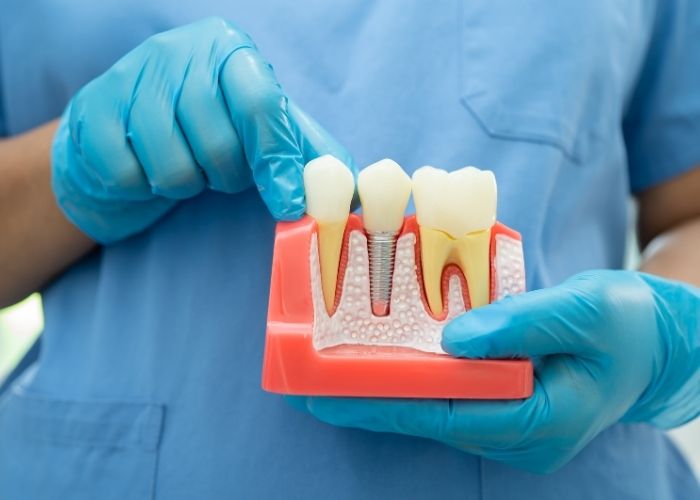
So, what exactly is a dental implant, and how does it stand out from other ways to deal with missing teeth? Think of a dental implant as a replacement for the root of a tooth. It's usually a small screw made of titanium, a material your body generally accepts well. This screw is placed directly into your jawbone.
The main difference is that implants become a permanent part of your body, integrating with your jawbone over time. This is unlike dentures or bridges, which sit on top of your gums or rely on neighboring teeth for support. Because they anchor into the bone, implants offer a stability that other options just can't match.
Here's a quick look at how they compare:
- Dental Implants: Act like natural tooth roots, integrating with the jawbone for a secure, long-lasting foundation. They don't affect adjacent teeth.
- Dentures: Removable appliances that rest on the gums. They can sometimes slip, feel uncomfortable, or require adhesives for stability.
- Bridges: Fixed prosthetics that use neighboring teeth as anchors. This often requires altering healthy teeth, which can lead to future problems.
Dental implants are designed to mimic the function and feel of natural teeth. They provide a solid base for replacement teeth, helping to maintain your jawbone's health and prevent the facial changes that can happen when teeth are missing. Because they fuse with your bone, implants provide a strong foundation. This means you can eat, speak, and smile with much more confidence, without worrying about your replacement teeth shifting or coming loose. They're a more involved process than dentures or bridges, but for many people, the long-term benefits are well worth it.
8 Common Signs You May Need Dental Implants
Losing a tooth, or even several, can be more than just a cosmetic issue. It can really impact how you live your day-to-day life. If you're wondering, "Do I Need Dental Implants?" or trying to figure out the "Dental Implant Symptoms" to watch for, here are some common indicators that this might be the right solution for you. These signs can help you understand "How To Know You Need Dental Implants" and when it's time to talk to a dental professional about "What Are The Signs You Need Dental Implants".
- You Have One or More Missing Teeth: This is the most obvious sign. Whether it's from an injury, decay, or gum disease, missing teeth create gaps that affect your smile and can lead to other problems. Implants fill these gaps, restoring both appearance and function.
- Difficulty Chewing or Speaking: Teeth are pretty important for basic functions like eating and talking. When teeth are missing or loose, it can make chewing tough foods difficult, potentially leading to digestive issues. It can also affect how you pronounce words, making communication less clear.
- Jawbone Loss: When a tooth root is gone, the jawbone it supported no longer gets the stimulation it needs. This can cause the bone to shrink over time. This bone loss can change your facial structure, making your face look sunken or older than it is. Dental implants act like natural tooth roots, stimulating the bone and helping to preserve its structure.
- You're Frustrated with Dentures or Bridges: Traditional options like dentures and bridges can be inconvenient. Dentures might slip or feel uncomfortable, and bridges require altering adjacent healthy teeth. If you find these methods troublesome, implants offer a more stable, permanent alternative without adhesives or special care.
- A Severely Damaged or Decayed Tooth: Sometimes, a tooth is beyond repair with fillings, crowns, or root canals. If extraction is the only option, a dental implant can replace it, looking and feeling like a natural tooth and preventing further oral health issues.
- Loose-Fitting Dentures: If your dentures shift, slide, or feel unstable when you eat, speak, or smile, it can be quite annoying and embarrassing. Implants provide a solid foundation for dentures, keeping them securely in place so you can feel confident.
- Recurring Dental Infections: Persistent infections, especially around missing or damaged teeth, can signal deeper oral health problems. If you experience ongoing pain, swelling, or gum infections, implants might offer a long-term fix to improve your oral health.
- You Desire a Lasting Solution: Unlike dentures or bridges that may need adjustments or replacement over the years, dental implants are designed for durability. With proper care, they can last for many decades, making them a reliable investment in your long-term oral well-being.
It's important to remember that these are common signs, and only a dental professional can definitively tell you if you need dental implants. They can assess your specific situation and recommend the best course of action for your health and smile.
Advantages of Choosing Dental Implants
When considering options for replacing missing teeth, dental implants stand out for several good reasons. They offer a more permanent and natural-feeling solution compared to traditional dentures or bridges. One of the biggest pluses is that implants don't rely on neighboring teeth for support, unlike bridges, which often means those healthy teeth don't need to be altered. This preserves your natural smile.
Another significant benefit is how implants help maintain your jawbone health. When you lose a tooth, the bone in that area can start to shrink because it's no longer stimulated by the tooth's root. Dental implants act like artificial tooth roots, integrating with the jawbone and preventing this bone loss. This helps keep your facial structure looking natural and can prevent that sunken appearance that sometimes happens with missing teeth. It's a way to keep your face looking as it should.
Dental implants are designed to be a long-term solution, often lasting for decades with proper care. This durability makes them a sound investment in your oral health and overall well-being.
Here are some key advantages:
- Durability and Longevity: Unlike dentures or bridges that may need adjustments or replacements over time, implants are built to last. They are a permanent fixture in your mouth.
- Improved Functionality: You can eat, speak, and smile with confidence. Implants are stable and secure, meaning no more worrying about slipping dentures or difficulty chewing.
- Bone Preservation: They actively stimulate the jawbone, preventing the bone loss that occurs with missing teeth.
- Natural Appearance: Implants look and feel like your natural teeth, blending in seamlessly with your smile.
- Easier Maintenance: Caring for implants is much like caring for your natural teeth – regular brushing and flossing are usually all that's needed.
If you're wondering, "Am I A Candidate For Dental Implants?", discussing your specific situation with a dental professional is the best next step. They can assess your oral health and determine if implants are the right choice for you.
What the Dental Implant Process Typically Involves
Getting dental implants is a process that usually happens over a few appointments. It's not a quick fix, but it's designed to be a lasting solution. Think of it like building a strong foundation for a new tooth.
The first step is a thorough check-up. Your dentist will look at your teeth, gums, and jawbone. They might take X-rays or even a 3D scan to get a really good look at everything. This helps them figure out if implants are the right choice for you and where exactly the implant should go. This planning stage is super important for a successful outcome.
If everything looks good, the next part is placing the implant itself. This is a small titanium post that gets surgically placed into your jawbone. It acts like the root of a natural tooth. It sounds a bit intense, but it's usually done with local anesthesia, so you shouldn't feel much pain during the procedure. After it's in, there's a healing period. Your jawbone needs time to grow around the implant, making it really stable. This integration process is what makes implants so strong.
Once the implant has healed and is firmly in place, the final step is attaching the new tooth. This could be a crown, a bridge, or even a full set of dentures, depending on how many teeth you're replacing. This part is usually much quicker and less involved than the implant placement.
Here's a general idea of the timeline:
- Consultation and Planning: Initial visit to assess your oral health and plan the procedure.
- Implant Placement Surgery: The titanium post is surgically inserted into the jawbone.
- Healing Period: Several months for the jawbone to fuse with the implant.
- Abutment Placement (if needed): A small connector piece is attached to the implant.
- Prosthesis Placement: The final crown, bridge, or denture is attached.
It's important to remember that everyone's situation is a little different. Your dentist will walk you through each step and let you know what to expect based on your specific needs. Following their aftercare instructions is key to making sure your new implant lasts for a very long time.
Ready to Take the Next Step?
If reading about these signs made you think, 'Hey, that sounds like me,' then it might be time to chat with your dentist. Missing teeth or other dental problems can really affect how you eat, speak, and even how you feel about yourself. Dental implants are a pretty solid option for many people, offering a way to get back to eating what you want and smiling without a second thought. They're designed to last a long time, which is a big plus. So, don't just live with the discomfort or the worry. Scheduling a visit to discuss dental implants is a good way to find out if they're the right fix for you and to get your oral health back on track.
Frequently Asked Questions
What are dental implants?
Dental implants are like artificial tooth roots, usually made of titanium. They are placed in the jawbone and serve as a strong base for new teeth, such as crowns or bridges. They are designed to look and feel like natural teeth.
Why are dental implants better than dentures or bridges?
Unlike dentures that can slip or feel uncomfortable, implants are fixed in place. Bridges require altering nearby healthy teeth, which isn't necessary with implants. Implants offer a more stable, natural-feeling, and long-lasting solution.
Can anyone get dental implants?
Generally, most people with good overall health and enough healthy jawbone can get dental implants. A dentist will check if a person's jawbone is strong enough to support the implant and if their gums are healthy.
How long do dental implants last?
With proper care, dental implants are made to last for many, many years, often a lifetime. They are considered a very reliable long-term solution for missing teeth, with a high success rate.
Do dental implants help with facial appearance?
Yes, missing teeth can cause the jawbone to shrink over time, leading to a sunken facial look. Dental implants help keep the jawbone healthy and in place, which supports facial structure and can prevent a prematurely aged appearance.
Is the dental implant process painful?
Dental professionals use anesthesia to ensure the process is as comfortable as possible. While there might be some soreness after the procedure, it's usually manageable with pain relievers, and most people find the result worth it.
Blog Post Author

Contributed by DentalROI
DentalROI provides relevant dental content to help providers educate patients. The statements, services, and products referenced in this article have not been evaluated by the Food and Drug Administration, and they are not intended as a substitute for professional medical advice, diagnosis, or treatment. Always seek the advice of your dental provider with any questions or issues you may have. Specific recommendations may vary in different circumstances, so individual consultation is important.

 VISIT US